
Greene's rabbitbrush
Chrysothamnus greenei
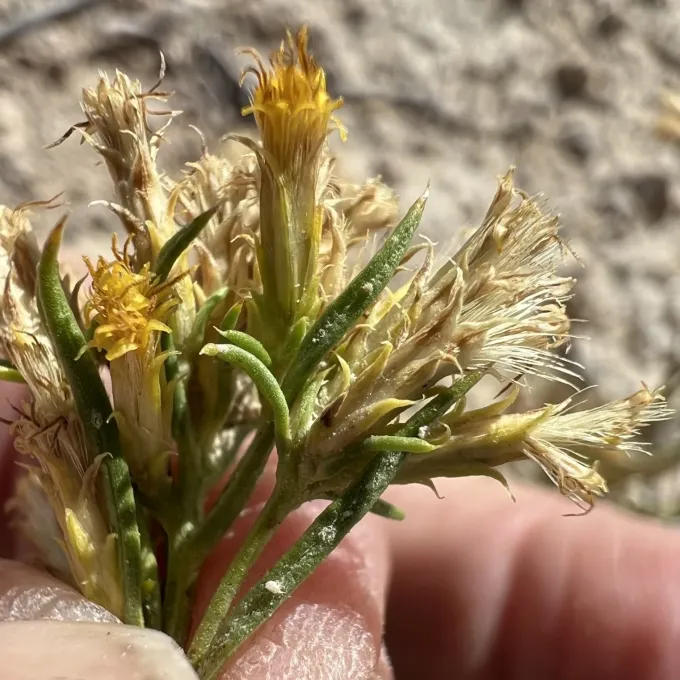
Description
Growing requirements
Greene's rabbitbrush (Chrysothamnus greenei) is a perennial shrub belonging to the Asteraceae family. It is a highly specialized plant, native to the arid landscapes of the Western United States, where it thrives in challenging conditions.
The plant features distinct foliage adapted to minimize transpiration, allowing it to survive in regions with very low annual precipitation. Its deep taproot system enables it to access moisture from significant depths, making it an excellent candidate for erosion control.
Optimal growth for this species is achieved in well-drained, alkaline, and gravelly soils. It does not tolerate high organic matter content or waterlogged conditions, which can lead to rapid fungal infections in the root zone.
The climate requirements include full solar exposure and significant temperature fluctuations between seasons. It is perfectly adapted to the hot, dry summers and cold, arid winters characteristic of high desert plateaus.
In terms of cultivation, Greene's rabbitbrush requires minimal maintenance once established. Irrigation should be avoided except for initial seedling development, as the plant is specifically evolved to function in drought-stressed environments.
Main diseases and pests
Greene's rabbitbrush is generally resistant to many common agricultural pests, but it can be susceptible to aphids that cluster on the tender new growth during spring months.
Root rot represents the most significant threat to the health of the plant. This condition is almost exclusively associated with improper site selection where soil drainage is inadequate or water pooling occurs.
Leaf-feeding insects, including certain species of caterpillars and beetles, may occasionally cause cosmetic damage. However, these rarely result in the total mortality of healthy, established shrubs.
Fungal leaf spot diseases can emerge in localized areas if humidity levels remain unusually high for extended periods, stressing the plant's natural defense mechanisms.
To maintain plant vitality, it is recommended to ensure proper spacing between individual shrubs to facilitate air circulation, which helps manage humidity and pest levels effectively.