
Rubber rabbitbrush
Chrysothamnus viscidiflorus
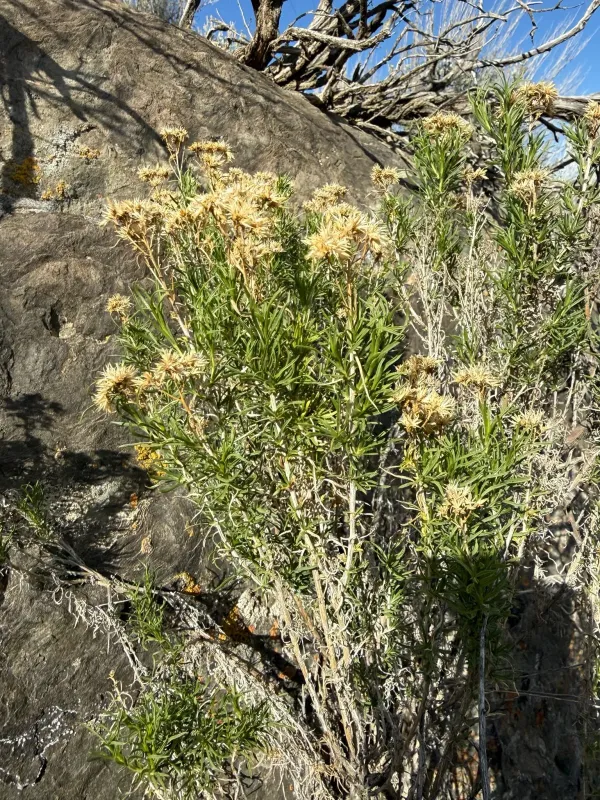
Description
Growing requirements
Rubber rabbitbrush (Chrysothamnus viscidiflorus) is a prominent shrub within the Asteraceae family. It is native to the arid and semi-arid landscapes of western North America.
This species thrives in well-drained, rocky, or sandy soils. It is highly valued for its ability to grow in nutrient-poor substrates where other crops typically fail.
Climate requirements for this plant include full sunlight exposure and significant tolerance to temperature extremes. It is deeply rooted, allowing it to survive prolonged droughts.
Botanically, the plant is known for its sticky, resinous foliage and yellow flowers. These features help the plant retain moisture and discourage herbivory in wild environments.
The primary economic use of this plant is land restoration and soil erosion control. It is also an important nectar source for pollinators during late summer and autumn.
Main diseases and pests
Root rot remains the most significant threat to the health of the plant, especially in poorly drained soils. Excess moisture is consistently detrimental to its long-term survival.
Pests such as specialized beetles and aphids can inflict damage on leaves and stems. Regular monitoring of plant health is necessary to prevent large-scale infestations.
Environmental stress, combined with pest pressure, can weaken the plant, making it susceptible to secondary fungal infections. Maintaining healthy, spaced-out rows is essential.
Invasive grasses often outcompete young rabbitbrush seedlings for essential resources. Weed management during the early establishment phase is crucial for success.
Powdery mildew can occur in areas with poor airflow and high humidity. Choosing open, well-ventilated planting sites is a key preventative measure for commercial growers.