
Rubber rabbitbrush
Chrysothamnus nauseosus
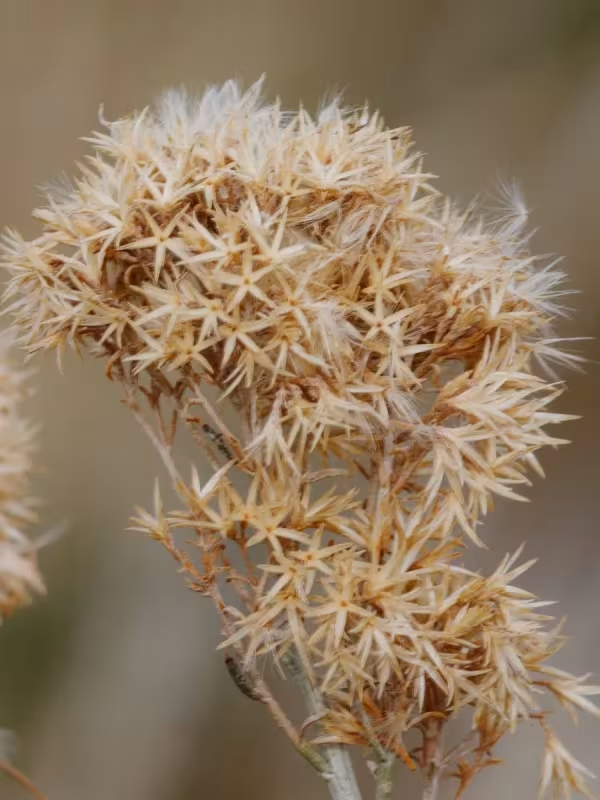
Description
Sowing dates
Chrysothamnus nauseosus, commonly known as rubber rabbitbrush, is typically propagated from seeds collected in late autumn when they reach full maturity.
The seeds require a period of cold stratification for optimal germination rates, mimicking the natural winter conditions of its native arid habitat.
Sowing should be performed on the soil surface, as the seeds require exposure to light to trigger the biological mechanisms necessary for sprouting.
Initial establishment phase is critical, and supplemental irrigation is recommended during the first growing season to ensure deep root development.
Once established, the seedlings are highly resilient and require minimal human intervention, making them suitable for low-input agricultural systems.
Growing requirements
This species belongs to the Asteraceae family and is perfectly adapted to the harsh environments of the Western United States and similar arid zones.
The crop thrives in well-drained, sandy or rocky soils and is notably tolerant of high alkalinity and salinity levels that inhibit other crops.
Full sun exposure is a mandatory requirement for rubber rabbitbrush; any significant shade will lead to stunted growth and reduced biomass quality.
It displays remarkable drought resistance due to its deep taproot system, which allows the plant to access moisture far below the soil surface.
Temperature tolerance is broad, as the shrub can endure extreme summer heat and sub-zero winter temperatures without sustaining permanent damage.
Yield
The primary agricultural interest in this species stems from its ability to produce high-quality natural rubber and resins within its woody stems.
Yield metrics are largely determined by plant density and the physiological age of the shrubs, with older plants typically showing higher rubber content.
Biomass production is highly variable and depends significantly on the annual precipitation levels and the specific ecotype being cultivated.
Research indicates that industrial rubber extraction is feasible, though yield per hectare is currently lower than traditional plantation sources.
Genetic improvement programs are ongoing to select varieties with higher resin and rubber concentrations to enhance the economic viability of the crop.
Main diseases and pests
Rubber rabbitbrush possesses a robust natural defense mechanism, including high concentrations of terpenes that repel many common insect pests.
The most significant threat to plant health is root rot, which typically occurs in poorly drained soils or during seasons with excessive moisture.
Some beetle species and aphids may occasionally feed on young, succulent foliage, potentially weakening the plant if infestations become severe.
In certain regions, fungal leaf spots can appear if the canopy remains damp for extended periods, stressing the plant's overall vigor.
- Ensure soil drainage is optimal.
- Avoid excessive supplemental water.
- Monitor for aphid colonies during spring growth.
Harvesting
Harvesting usually involves the mechanical harvesting of the above-ground woody biomass at the end of the growth cycle in the late autumn.
The harvested material must be dried promptly to prevent fermentation and ensure the chemical stability of the extracted rubber components.
Shredding the biomass post-harvest is a standard step to facilitate the subsequent chemical solvent extraction process used to isolate the rubber.
For sustainable production, harvesting is timed to occur when the concentration of desirable secondary metabolites reaches its seasonal peak.
Efficiency in collection and transport is vital for maintaining the profitability of rubber rabbitbrush in large-scale industrial applications.