
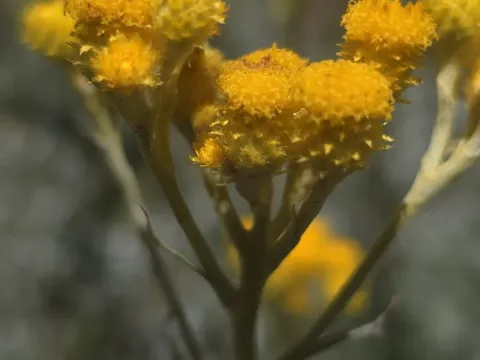
Chrysocephalum
Chrysocephalum
Chrysocephalum is a genus of perennial herbs and subshrubs belonging to the Asteraceae family. Native to the Australian wilderness, these plants have adapted to thrive in harsh, dry environments with high solar intensity.
What the section contains

Chrysocephalum
Propagation is typically achieved through seeds or stem cuttings during the spring season. When sowing seeds, it is critical to leave them on the surface of the growing medium, as they require direct light to trigger germination.
The optimal time for sowing in controlled environments is from February to March. This allows for sufficient development time before the plants are transitioned outdoors once the danger of frost has passed.
When planting in open fields or garden beds, space the plants about 30 to 40 centimeters apart. Proper spacing is essential to ensure adequate air circulation, preventing moisture buildup around the foliage.
Regular pinching of the terminal buds is highly recommended during the growth cycle. This cultural practice encourages a bushy habit and enhances the overall density of the silver-foliaged stems.
Chrysocephalum requires full sun exposure to maintain its vigor and aesthetic appeal. In conditions of insufficient light, the plants tend to lose their signature silver color and become spindly and unattractive.
The ideal soil should be sandy or stony with excellent drainage capabilities. The plant thrives in poor, nutrient-deficient soils, making it an excellent choice for rock gardens and xeric landscaping.
This species is exceptionally drought-tolerant. Its foliage is covered in dense hairs that minimize transpiration, helping the plant retain moisture even during periods of extreme heat and dryness.
In cooler climates, these plants are often grown as annuals or kept in containers. If kept as perennials in non-native climates, they must be moved indoors or to a greenhouse before the first autumn frost.
Minimal fertilization is required. Over-fertilization, particularly with nitrogen, will lead to excessive succulent growth, reducing the plant's natural resistance and compact, tidy form.
The most significant threat to Chrysocephalum is excessive soil moisture. Waterlogged roots lead to rapid decay and crown rot, which are often fatal to the plant if not addressed immediately by improving drainage.
Pests such as aphids or spider mites may occur, particularly if the plant is grown indoors with poor ventilation. Regular scouting of the foliage underside is a recommended management practice.
Powdery mildew can occasionally affect the plants during periods of high humidity and poor airflow. Managing the microclimate through proper irrigation and spacing is the most effective preventative measure.
- Avoid overhead watering to keep foliage dry.
- Remove any dead or yellowing stems promptly.
- Ensure soil is never saturated with moisture.
Overall, Chrysocephalum is remarkably robust when planted in its preferred dry, sunny environment. The vast majority of health issues are directly related to improper irrigation practices or poor soil aeration.