
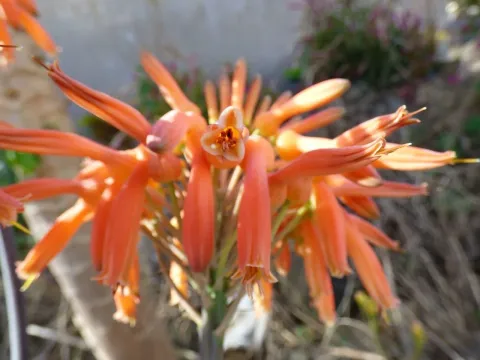
Purple Aloe
Aloe purpurea
Purple Aloe (Aloe purpurea) is a rare succulent species belonging to the Asphodelaceae family, endemic to Mauritius. The plant is characterized by its robust, fleshy leaves that manifest a distinct purple to bronze coloration, which is particularly vibrant when the plant is exposed to high levels of solar radiation.
What the section contains
Purple Aloe
The cultivation of this species requires a substrate that mimics its natural rocky habitat. A well-draining, gritty soil mix is essential to prevent root asphyxiation, as the plant is highly susceptible to rot if its root system is exposed to prolonged moisture without proper aeration.
Climatic requirements for Aloe purpurea focus on bright, indirect to direct light and stable, warm temperatures. While it thrives in tropical conditions, it must be protected from frost and sudden temperature drops, which can cause cellular damage to the leaves due to their high water content.
Agrotechnical practices involve a strict watering regimen based on the dry-cycle principle. During the growing season, fertilizer should be applied sparingly, using a balanced succulent-specific formula to ensure optimal growth without stimulating excessive, weak leaf production.
The primary use of Purple Aloe is within botanical conservation and ornamental succulent collections. Due to its status and rarity, it is not cultivated on a commercial agricultural scale but remains a highly prized specimen for specialized greenhouse environments and horticultural displays.
Fungal pathogens represent the most significant threat to Aloe purpurea, specifically those that cause crown rot and leaf blight. These diseases are almost exclusively triggered by overwatering or poor air circulation, necessitating a dry environment to maintain plant health.
Insect pests include common succulent predators such as mealybugs and spider mites. Infestations typically occur when the plant is stressed or kept in poorly ventilated areas, requiring immediate integrated pest management strategies to avoid irreversible damage to the leaf structure.
As this is a rare species, harvesting is not conducted for commercial purposes. Any propagation materials are collected during routine maintenance and cleaning of the specimen, ensuring the long-term sustainability and viability of the mother plant within the collection.