
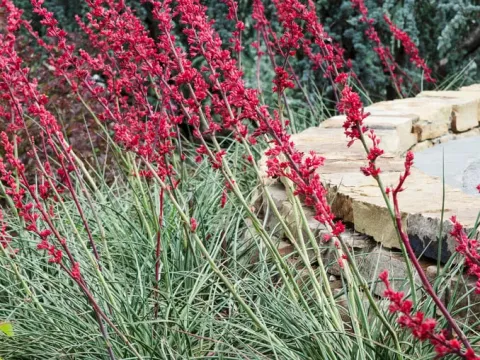
Aloe yuccifolia
Aloe yuccifolia
Aloe yuccifolia is a distinctive perennial succulent species belonging to the Asphodelaceae family. Its common name reflects its unique morphological similarity to the genus Yucca, characterized by elongated, lanceolate leaves that form a robust, rosette-like structure typical for xerophytic flora.
What the section contains
Aloe yuccifolia
Originating from the arid regions of Southern Africa, this culture is genetically adapted to harsh environmental conditions. Its natural habitat is defined by sandy, rocky terrains with high solar radiation and prolonged drought periods, making it a highly resilient species for specialized agricultural production.
Soil requirements for Aloe yuccifolia are strictly focused on drainage and permeability. The plant performs best in gravelly or sandy loam substrates with a neutral pH level. Proper aeration of the root system is the most significant factor, as moisture stagnation can lead to rapid necrosis and tissue death.
The climate requirements for this species include high light intensity and moderate to warm temperatures throughout the vegetation cycle. It is sensitive to prolonged cold and frost, which limits its outdoor cultivation to regions with a stable subtropical climate, while controlled environments are needed elsewhere.
Agrotechnical management requires a systematic approach to irrigation. During the peak growth season, water should be applied only when the substrate is completely dry. In the winter dormancy phase, irrigation should be strictly minimized to simulate the natural environmental stress that induces plant health.
The primary threats to Aloe yuccifolia health are fungal pathogens, specifically those causing root and crown rot. These diseases are almost exclusively induced by over-irrigation or inadequate drainage, leading to the rapid decomposition of the succulent tissues.
Mealybugs and scale insects represent the most significant pest threats to this crop. These insects hide in the leaf axils, where they feed on the sap. Their presence often leads to stunted growth, leaf discoloration, and increased susceptibility to secondary infections by opportunistic bacteria.
Spider mites can also cause significant damage during periods of extremely low humidity and high temperature. Their presence is manifested by fine webbing and a stippled appearance on the leaf surface, which reduces the plant's overall photosynthetic capacity and aesthetic value.
Integrated pest management is recommended for this species. This includes regular manual inspection, appropriate spacing between plants for better airflow, and the use of insecticidal soaps or systemic pesticides when necessary to control pest population explosions.
Proactive prevention is superior to reactive treatment in the case of succulents. By maintaining a clean growing environment, removing organic debris, and ensuring optimal environmental control, farmers can significantly mitigate the risks posed by both pests and various biological diseases.