
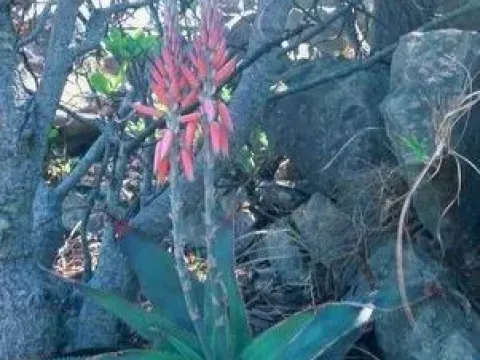
Aloe thorncroftii
Aloe thorncroftii
Aloe thorncroftii is a distinct species within the Asphodelaceae family, native to the rocky terrains of the Mpumalanga province in South Africa. As a succulent, it has evolved to thrive in nutrient-poor environments with high exposure to sunlight.
What the section contains
Aloe thorncroftii
The plant is botanically characterized by its stiff, fleshy leaves arranged in a rosette pattern. The foliage features unique tubercles or small bumps on the surface, which serve as a defining morphological feature compared to other Aloe species in the region.
In cultivation, this species requires a highly porous, well-draining soil mix consisting mostly of coarse sand, pumice, and minimal organic compost. Proper drainage is the most critical factor for survival, as it prevents water from stagnating around the root collar.
The climatic preferences involve full sun exposure to maintain the plant's compact form and deep coloration. If grown indoors or in temperate zones, the plant should be placed in the brightest window available and protected from freezing temperatures during winter.
Agrotechnical maintenance relies on the soak-and-dry watering method. During the growing season, water thoroughly and allow the soil to dry out completely before the next irrigation. Fertilization should be kept to a minimum, using dilute succulent-specific liquid formulas.
The primary threats to Aloe thorncroftii are fungal infections resulting from overwatering or poor ventilation. Root rot, caused by excessive soil moisture, is almost always fatal if not detected early, making dry substrate conditions essential for the plant's long-term health.
Mealybugs represent the most persistent pest threat. These small, sap-sucking insects often colonize the crevices between leaves. Effective control involves manual removal using alcohol-soaked swabs or the application of specialized horticultural insecticides.
Spider mites can also impact the plant if the ambient environment is excessively dry and lacks airflow. An infestation typically manifests as fine webbing and mottled leaf discoloration, requiring immediate intervention with insecticidal soaps or acaricides.
Cultural stress, often caused by low light intensity, can lead to etiolation, where the plant loses its natural shape and becomes leggy. This condition makes the Aloe more susceptible to secondary pest attacks and weakens its internal structural integrity.
Consistent monitoring and maintaining a regular quarantine for new specimens are the best defenses against pests. By providing optimal light and avoiding moisture accumulation at the leaf base, growers can ensure their Aloe thorncroftii remains healthy and vibrant.