
Aloe verecunda
Aloe verecunda
Description
Growing requirements
Aloe verecunda is a perennial succulent plant species belonging to the Asphodelaceae family. Native to the grassland regions of Southern Africa, it is botanically adapted to thrive in specialized environments that experience periodic moisture stress and rocky terrain.
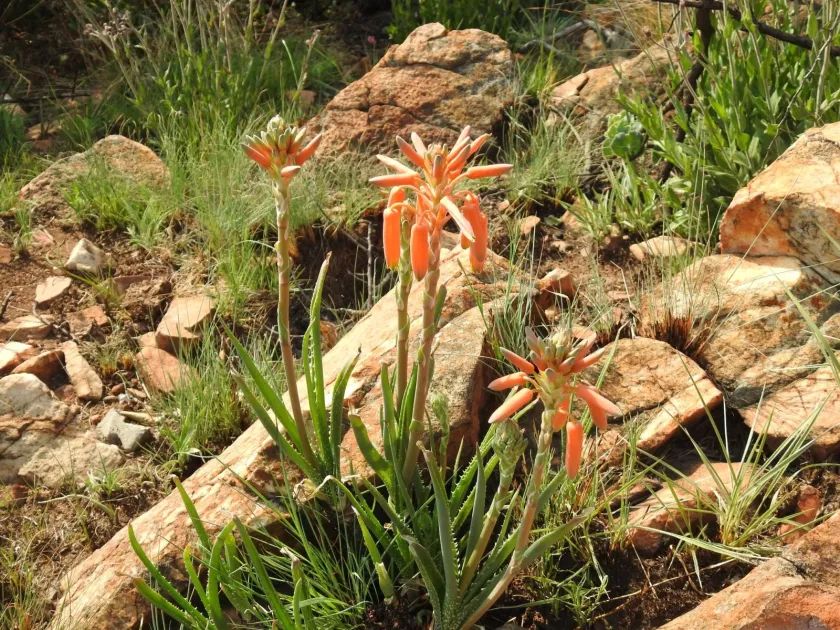
The morphological structure of this plant includes a dense rosette of narrow leaves, which allow for efficient water retention and photosynthesis under high light intensity. Its root system is deep and tuberous, allowing the plant to remain dormant during dry seasons.
Optimal growth requires well-draining, mineral-rich soil with a gritty texture to ensure oxygen flow to the roots. Proper drainage is the most critical agronomic factor, as moisture accumulation in the substrate can lead to immediate physiological distress.
The climate requirements involve plenty of direct or filtered sunlight throughout the growing season. While the species is resilient to high temperatures, it requires protection from prolonged freezing conditions, which can damage its cellular structure and reduce overall vigor.
In terms of agricultural utility, this species is primarily cultivated for ornamental purposes in xeriscaping and botanical collections. Its natural ability to withstand harsh conditions makes it a sustainable choice for greenhouse production and commercial nursery stocks.
Main diseases and pests
The primary threats to Aloe verecunda include various forms of fungal root rot, typically caused by excessive watering or poor soil structure. Maintaining a dry, well-ventilated environment is essential for disease prevention and ensuring the long-term health of the plant.
Pest management should focus on early detection of mealybugs and scale insects, which tend to congregate at the leaf bases. Integrated pest management (IPM) practices, such as systemic treatments or physical removal, are recommended to maintain plant quality without damaging the foliage.