
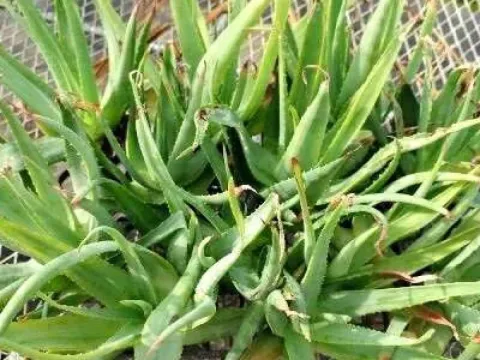
Aloe trigonantha
Aloe trigonantha
Aloe trigonantha is a specialized succulent species belonging to the Asphodelaceae family, native to the arid and semi-arid landscapes of Ethiopia.
What the section contains
Aloe trigonantha
The cultivation of this plant requires a highly porous, gritty substrate that facilitates rapid drainage to prevent moisture-related physiological stress.
Optimal light exposure is essential for maintaining the characteristic morphology of the plant, requiring bright, direct sunlight to support metabolic activity.
Temperature management should follow desert-like patterns, providing warmth during the growing season and maintaining a dry environment during dormancy.
Agronomically, this species is categorized as a low-input crop, as its biological adaptations allow it to thrive with minimal water and nutritional interventions.
The most common agricultural threat to Aloe trigonantha is root rot caused by improper irrigation practices or poor soil aeration in a controlled environment.
Mealybugs represent a significant pest risk, often colonizing the tight crevices between leaf bases and leading to stunted growth or structural decline.
Scale insects can also infest the succulent tissues, weakening the plant by extracting sap and providing entry points for secondary bacterial pathogens.
Management strategies involve the strict avoidance of top-watering, which prevents water from pooling in the succulent crowns and inciting decay.
Integrated pest management protocols, including manual removal of pests and targeted horticultural oil applications, are recommended for long-term health.