
Aloe hemmingii
Aloe hemmingii
Description
Growing requirements
Aloe hemmingii is a distinctive succulent species belonging to the Asphodelaceae family. Native to the arid regions of Somalia, this plant has evolved to survive in harsh, moisture-deprived environments, making it a highly resilient species in cultivation.
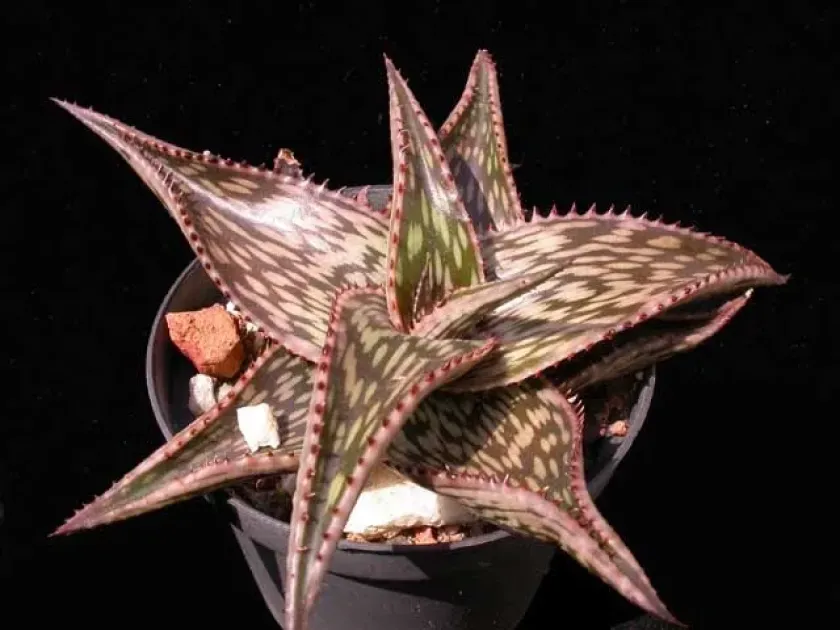
The plant is characterized by a compact rosette of succulent leaves, which are typically marked with white spots. This unique feature not only serves an aesthetic purpose but also assists in regulating temperature and moisture retention within its native desert habitat.
Successful cultivation requires a well-draining substrate, such as a mix of grit, sand, and pumice. It is critical to avoid water-retentive soils, as the root system of this species is highly susceptible to rot if allowed to remain in soggy conditions.
Bright, direct light is essential for maintaining the plant's health and typical coloration. Without sufficient sunlight, the rosettes tend to lose their structural integrity, becoming etiolated and losing the characteristic spot patterns on the leaves.
Watering practices should mimic the seasonal patterns of its home range. During the growing season, deep watering should be followed by a period where the soil is allowed to dry out completely. Winter care involves minimal water to induce a dormant state.
Main diseases and pests
The most common disease affecting Aloe hemmingii is root rot, which stems from overwatering or inadequate soil drainage. Symptoms usually involve the softening of leaves at the base and a general decline in the plant's overall turgor pressure.
Mealybugs and spider mites are the primary pests encountered when keeping this species indoors. These insects thrive in dry, stagnant air conditions and can cause significant damage if infestations are left unchecked for long periods.
Control of these pests requires a combination of physical removal and the application of appropriate systemic insecticides. It is important to treat both the leaf surfaces and the soil surface to ensure complete eradication of the pest population.
Fungal infections can also occur if the humidity levels remain too high or if the air circulation around the plant is insufficient. Providing good ventilation helps keep the foliage dry and prevents the colonization of harmful pathogens.
Proactive management of the plant involves regular inspections of the leaf rosettes for signs of discoloration or pests. Early intervention is the key to maintaining a healthy specimen and preventing the spread of diseases within a collection.