
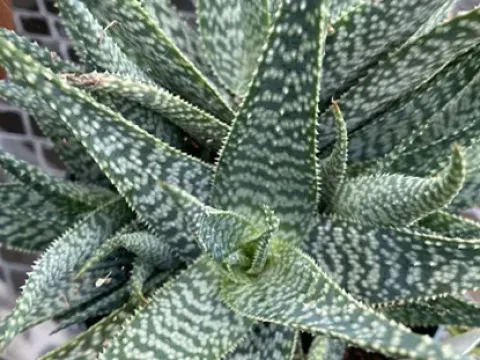
Aloe hybrids
Aloe hybrids
Aloe hybrids belong to the Asphodelaceae family and are the result of deliberate breeding aimed at enhancing ornamental traits or increasing the content of bioactive compounds. These succulent perennials are valued for their compact forms and unique leaf variegation.
What the section contains
Aloe hybrids
The culture requires bright, indirect sunlight for optimal growth. Direct exposure to intense midday sun can cause leaf scorch, necessitating the use of shade cloth in greenhouses. Temperatures should be maintained between +20°C and +25°C with adequate ventilation.
The growing medium must be porous, well-draining, and slightly acidic to neutral (pH 6.0–7.0). A mix containing leaf mold, coarse sand, and small gravel provides the necessary drainage to prevent moisture stagnation and root rot.
Watering should occur only when the substrate has dried out to a depth of 3–5 cm. During the dormant season, water intake must be significantly reduced to match the plant's metabolic slowing, preventing potential root decay.
Propagation is primarily achieved through offshoots or pups. This vegetative method is preferred to maintain the specific hybrid characteristics, as seed propagation may lead to high phenotypic variability.
Fungal diseases, often triggered by excessive humidity or waterlogged soil, are the primary threat to Aloe hybrids. Root and crown rot are common if the root system does not dry out sufficiently between watering intervals.
Pests such as mealybugs and spider mites are frequent invaders. Mealybugs typically nest in the axils of the leaves, feeding on sap and excreting honeydew, which leads to the growth of sooty mold.
Regular sanitation, such as removing dead foliage and cleaning surfaces, is essential for pest management. Systemic insecticides are recommended for controlling stubborn infestations without damaging the succulent tissues.
Quarantining new plants before introducing them into an existing collection is a critical practice for preventing the spread of aphids and other common greenhouse pests.
Proper environmental control, including minimizing standing water on leaves and maintaining optimal humidity levels, significantly reduces the likelihood of infection, ensuring healthy plant development.