
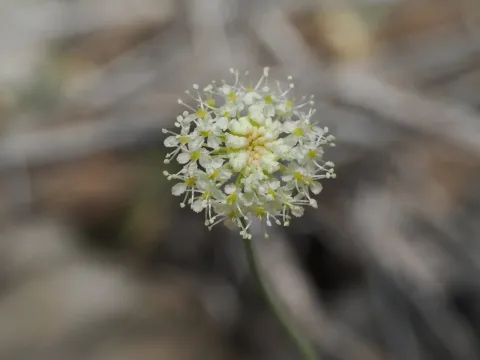
Trachymene ochracea
Trachymene ochracea
Trachymene ochracea is an attractive annual plant belonging to the Apiaceae family. It is typically propagated by seeds, which require specific conditions to germinate successfully, often necessitating a controlled environment like a greenhouse for early-stage development.
What the section contains
Trachymene ochracea
Seeds should be sown at a shallow depth of approximately 0.5 to 1 cm. Since the seeds are quite small, surface moisture must be carefully managed to ensure they do not dry out before germination occurs.
In regions with favorable climates, direct sowing in late spring is possible once the soil temperature has risen sufficiently. It is essential to choose a spot that will not be affected by late frosts, which can damage emerging seedlings.
Spacing is a crucial factor for the health of the crop. Planting seedlings at intervals of 25–30 cm helps ensure adequate airflow, which is vital for preventing humidity-related issues as the plant matures.
For the best results, start seeds in starter trays with a sterile, well-draining potting mix. This practice allows for better root development and ensures that plants are robust enough before being transplanted into the final growing site.
Trachymene ochracea thrives in full sun, which is necessary for the development of its signature flower heads. In partial shade, the stems tend to become weak and the overall floral output decreases significantly.
The plant requires light, sandy, or well-draining loam soils. Soil aeration is critical; compaction and waterlogging will almost inevitably lead to root rot, as the plant is highly sensitive to excessive moisture in the root zone.
While the plant is relatively hardy, it prefers a neutral to slightly acidic soil pH. Soil testing prior to planting is recommended to ensure that essential nutrients are available for optimal growth and flowering.
Irrigation should be consistent but moderate. During the flowering period, it is important to prevent water from splashing onto the blooms, as this can degrade their quality and promote fungal growth.
The climate requirements include moderate temperatures. The plant performs best in areas where summers are not excessively hot and humid, as high heat indices combined with humidity can stress the plant and make it prone to disease.
Fungal pathogens are the primary threat to Trachymene ochracea. Overwatering or poor site drainage often triggers root or crown rot, which can kill established plants within a few days if not caught early.
Pests such as aphids and spider mites frequently target the succulent parts of the plant. These pests can weaken the plant by feeding on its sap and may also act as vectors for various plant viruses.
Effective management involves maintaining high standards of hygiene in the growing area. Removing debris and ensuring that plants are not overcrowded are simple yet effective ways to mitigate disease risks.
Chemical control should be used sparingly and only when necessary. Integrated Pest Management (IPM) strategies, which prioritize the use of biological agents, are preferred to protect beneficial insects.
Monitoring the undersides of leaves and the flower stalks for signs of infestation is a vital part of the daily routine for any grower aiming to produce high-quality Trachymene specimens.