
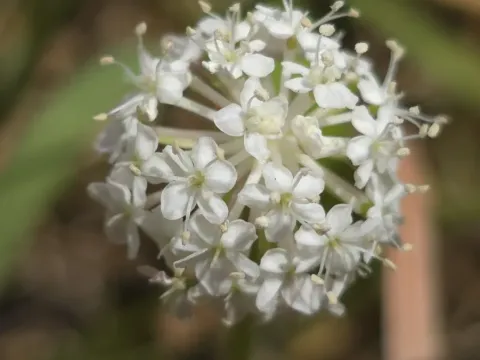
Trachymene
Trachymene
Sowing Trachymene seeds in temperate climates is typically done in seedling trays during March or April, allowing for flowering by early summer.
What the section contains

Trachymene
Seeds require a stable temperature of 18–20 degrees Celsius and light for germination, so they should be sown on the surface and only lightly covered with vermiculite.
When using the seedling method, it is crucial to transplant seedlings into individual pots after the second true leaf appears to ensure strong root development.
Transplanting hardened seedlings into open ground should only occur after the risk of spring frost has passed and the soil has sufficiently warmed up.
For commercial production, a staggered sowing schedule every two weeks is recommended to ensure a continuous supply of flowers throughout the entire season.
Trachymene, a member of the Apiaceae family, originates from Australia and requires high levels of sunlight, preferring sunny and open locations.
To achieve optimal growth, the crop requires light, well-drained, fertile soil with a neutral or slightly acidic pH, as waterlogging is detrimental to its roots.
During the active growth phase, plants require moderate but consistent watering, especially during bud formation, while avoiding soil saturation to prevent root decay.
The crop is sensitive to drastic temperature fluctuations and strong, cold winds, making it necessary to select sheltered sites for planting.
Regular fertilization with balanced mineral fertilizers low in nitrogen during the flowering period helps maintain plant vigor and enhances the quality of inflorescences.
The primary threat to Trachymene under improper moisture management is root rot, which spreads rapidly in heavy or waterlogged soil conditions.
Leaf spot and powdery mildew can occur in conditions of high humidity and poor air circulation, necessitating correct plant spacing and proper ventilation.
Common pests include aphids and spider mites, which feed on young shoots and buds, significantly reducing the market value of the floral crop.
Disease prevention involves adhering to crop rotation, removing plant debris, and utilizing high-quality, disease-free planting material.
Insecticide and acaricide treatments are effective against pests, but applications must be completed before mass flowering to avoid impacting pollinators.
Harvesting Trachymene for cut flower production is best performed during the morning hours, once the dew has dried but before the heat intensity increases.
It is recommended to cut stems when approximately half of the florets in the umbel-like inflorescence have opened to ensure maximum vase life.
Immediately after cutting, stems should be placed in clean water, preferably with a floral preservative, to prevent premature wilting and vascular blockage.
Transportation of the cut flowers should be done in an upright position and at controlled low temperatures to maintain the turgidity of the foliage and petals.
In a commercial setting, sorting and grading by stem length and inflorescence quality is essential, often utilizing protective packaging to prevent mechanical damage.