
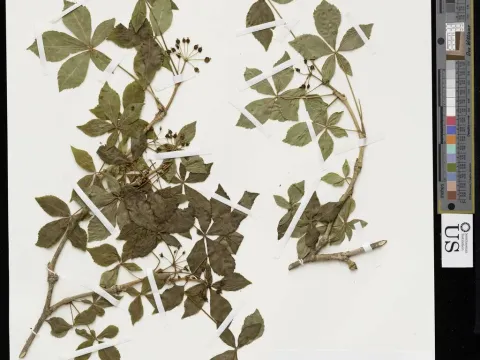
Wilson's eleuthero
Eleutherococcus wilsonii
Wilson's eleuthero (Eleutherococcus wilsonii) is a perennial shrub belonging to the Araliaceae family. Originating from the mountainous regions of China, it is highly valued for its medicinal properties similar to other members of the genus.
What the section contains
Wilson's eleuthero
Cultivation requires fertile, well-draining soils with a neutral or slightly acidic pH. The plant thrives in locations that provide ample sunlight, though young specimens benefit from partial shade during the hottest parts of the day.
The agricultural technique involves maintaining consistent soil moisture, particularly during the active growth phase in spring and early summer. Proper mulching is essential to protect the root system from temperature fluctuations and to suppress weed competition.
Wilson's eleuthero displays a robust structure and can grow quite large if left unpruned. Strategic pruning is often performed to encourage better branching and to facilitate easier access for potential harvesting operations.
The plant is primarily utilized in the pharmaceutical industry due to its high concentration of bioactive compounds known as eleutherosides. These substances serve as potent adaptogens, used in various health supplements to improve physical endurance.
Common diseases affecting Wilson's eleuthero include various fungal leaf spots, which typically appear under high-humidity conditions or poor air circulation within the shrub canopy.
Pests such as aphids and spider mites can infest the foliage, particularly in nurseries or high-density plantings where environmental stress may compromise the plants' natural defenses.
Root rot is a significant threat if the soil drainage is inadequate. Managing water levels is critical, as the roots are sensitive to waterlogging, which often leads to rapid plant decay.
Integrated pest management strategies are recommended to keep the crops healthy. This includes regular scouting for early signs of infestation and ensuring the plants have adequate spacing to promote airflow.
To maintain high yield quality, it is essential to keep the crop environment clean of debris and weeds that could harbor pests and diseases, thereby ensuring the longevity of the perennial plantation.