
Tetrapanax
Tetrapanax
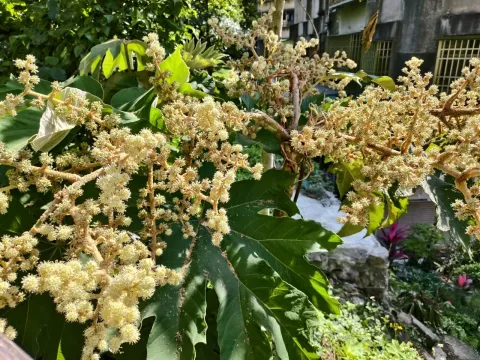
Tetrapanax (Tetrapanax papyrifer), commonly known as the rice paper plant, is a unique species in the Araliaceae family. Originating from the humid forests of China and Taiwan, it is characterized by its dramatic, large palmate leaves that create an immediate tropical aesthetic in garden settings.
What the section contains
Tetrapanax
For optimal growth, this crop requires fertile, nutrient-rich soil with excellent drainage capabilities. While it can adapt to various light conditions, partial shade is generally preferred to protect the foliage from scorching during the peak heat of summer, which ensures healthier and larger leaves.
The climate requirements for Tetrapanax focus on maintaining consistent moisture levels. It performs best in mild, frost-free environments. In regions with colder winters, the root system must be protected with heavy mulching to ensure survival, as the plant can be sensitive to deep soil freezing.
Cultural maintenance involves routine irrigation during the growing season, as the large surface area of the leaves leads to high transpiration rates. While the plant is relatively hardy once established, consistent soil hydration combined with organic fertilizer applications will significantly boost its vigor.
Propagation is most efficiently achieved through the division of underground suckers. These offsets appear naturally around the base of the plant, allowing for steady expansion of the planting area without the need for complex seed germination protocols which are often unreliable and slow.
The primary economic use of Tetrapanax is the production of rice paper. The process involves harvesting the stems of mature plants, typically two to three years of age, when the central pith of the stem is fully developed and sufficiently spongy for processing.
Once harvested, the outer bark and woody layers are meticulously removed to extract the soft, white pith. This pith is then sliced into thin, spiraling sheets that are dried and pressed, resulting in the high-quality material used for traditional calligraphy and artificial flower making.
Pest management for Tetrapanax primarily targets spider mites and mealybugs, which are common in warmer, drier climates. Effective management involves maintaining adequate humidity around the plant and applying horticultural soaps or systemic insecticides if infestation levels become critical.
Disease pressure is often limited to fungal issues like root rot caused by poor soil drainage. Ensuring that the soil remains well-aerated and preventing standing water in the root zone are the most effective strategies for maintaining a healthy and productive stand of this ornamental and industrial plant.