
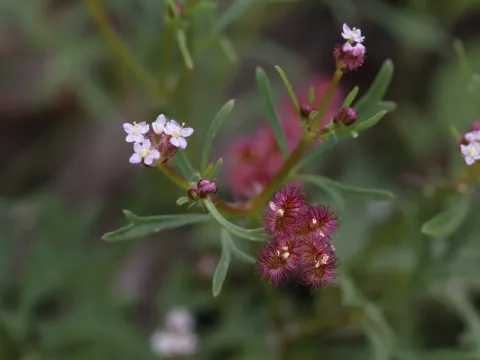
Trachymene cyanopetala
Trachymene cyanopetala
Trachymene cyanopetala is a warm-season annual that thrives in specific thermal conditions. When starting from seeds, it is recommended to sow them indoors in late March or early April to ensure a strong root system before the final transplanting.
What the section contains
Trachymene cyanopetala
Direct sowing into open ground is only feasible once the soil has warmed up significantly and the risk of frost has completely passed. Because the plant is sensitive to root disturbance, using biodegradable peat pots is highly recommended to minimize transplant shock.
Germination typically requires a stable temperature range of 18–22 degrees Celsius. Under these conditions, seedlings should emerge within two to three weeks, provided the soil remains consistently, but not excessively, moist.
Hardening off the seedlings is a crucial step before placing them outdoors. This process should take place over at least two weeks, gradually increasing the duration of the plants' exposure to outdoor elements and direct sunlight.
When selecting a site for sowing or transplanting, ensure the location is protected from harsh winds, as the slender stems and flower heads can be easily damaged by strong gusts.
As a member of the Apiaceae family originating from Australia, Trachymene cyanopetala requires full sun exposure to thrive and produce its signature vibrant blue blossoms. It is an excellent choice for sunny garden beds.
The ideal soil for this species must be light, porous, and possess excellent drainage properties. Soils that retain too much water will lead to root rot, which is one of the most common issues in cultivating this specific plant.
Irrigation should be managed carefully. It is best to water the soil at the base of the plant, avoiding the foliage and delicate flowers, especially during the peak heat of the day. This prevents water-logging and reduces the risk of fungal leaf spots.
Fertilization with a balanced, water-soluble fertilizer can support blooming throughout the growing season. It is advisable to use low-nitrogen formulas once the plant begins to produce buds to encourage flowering over vegetative growth.
Maintaining a neutral to slightly acidic soil pH is preferred for optimal nutrient uptake. Regular weeding is necessary to prevent competition for resources, as the plant does not perform well in crowded or neglected conditions.
Fungal diseases, particularly root rots and damping-off, represent the primary threat to the health of the plant. These are almost exclusively caused by over-watering or poor air circulation around the base of the stems.
Common pests such as aphids or spider mites can occasionally affect the plants. Early detection is key; inspect the undersides of leaves regularly and apply appropriate horticultural soaps or organic insecticides if an infestation is observed.
Powdery mildew may occur during periods of high humidity and poor ventilation. Keeping the plants spaced sufficiently apart allows for better airflow, which significantly reduces the risk of this fungal issue.
While the species is relatively robust, extreme fluctuations in temperature or water availability can stress the plant, making it more susceptible to opportunistic pathogens and secondary pests.
Effective management includes keeping the planting area clean of debris and removing any infected plant parts immediately to prevent the spread of spores or pests to neighboring specimens.