
Trevesia
Trevesia
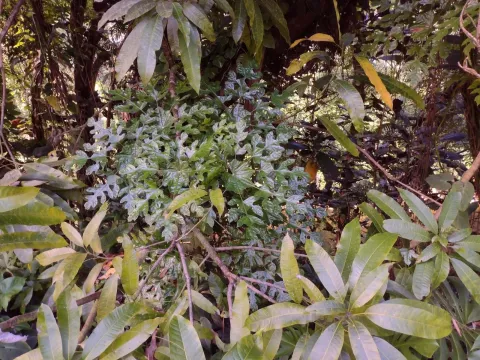
Trevesia is a genus of tropical evergreen shrubs and small trees belonging to the Araliaceae family, native primarily to Southeast Asia. It is widely recognized for its distinctive foliage, which is often deeply lobed and displays unique textural patterns across the canopy.
What the section contains


Trevesia
The plant requires a strictly tropical environment to thrive, preferring temperatures ranging between 20°C and 25°C throughout the year. Humidity management is crucial, as the plant suffers from dehydration in dry environments, making misting or the use of humidifiers essential.
Soil requirements involve a well-draining, nutrient-rich substrate, typically based on a mixture of peat, loam, and coarse sand. Adequate soil drainage is non-negotiable, as waterlogged conditions quickly lead to root dysfunction and failure.
Light intensity should be managed carefully; Trevesia thrives in bright, indirect light conditions. Exposure to harsh, direct sunlight will scorch the leaves, while deep shade will cause the plant to become etiolated and lose its compact, ornamental structure.
In terms of agricultural and horticultural use, Trevesia is categorized strictly as an ornamental crop. Its architectural appearance makes it a premium selection for indoor atriums, botanical gardens, and specialized decorative plant collections.
Common pests associated with Trevesia include sap-sucking insects such as spider mites and scale insects. These pests often thrive when the plant is kept under environmental stress, requiring prompt identification and treatment with horticultural oils or soap solutions.
Pathogenic threats are dominated by root rots, typically caused by Phytophthora or Pythium species due to overwatering. Maintaining a balanced watering schedule and ensuring excellent soil aeration are the primary defensive strategies against these pathogens.