
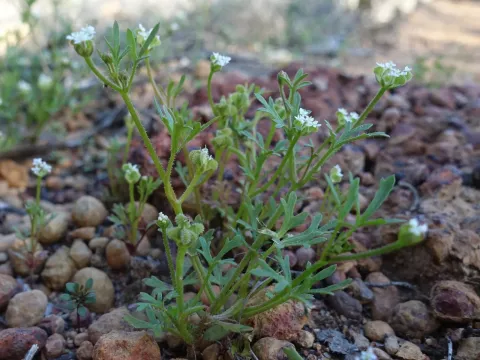
Trachymene pilosa
Trachymene pilosa
Trachymene pilosa is a distinct species belonging to the Apiaceae family, often cultivated for its aesthetic value. Successful sowing requires careful preparation to ensure uniform germination and robust seedling development in the early stages.
What the section contains
Trachymene pilosa
Seeds can be sown directly into well-prepared soil after the risk of frost has passed. The soil temperature should be sufficiently warm to trigger germination, ideally ranging between 15 and 20 degrees Celsius for optimal results.
When starting seeds indoors, use a light, well-draining seed-starting mix to prevent damping-off diseases. Providing adequate light and ventilation is crucial once the seedlings emerge to ensure they remain stocky and healthy.
The sowing density should be managed to prevent overcrowding, which can lead to poor air circulation and increased disease pressure. Thinning is recommended as soon as the first true leaves appear to allow each plant sufficient space.
Consistency in moisture during the germination phase is vital. Using a fine mist spray helps keep the substrate moist without dislodging the seeds or damaging the developing root systems of the young plants.
Trachymene pilosa thrives in sunny locations where it receives full exposure to direct sunlight. Insufficient light leads to etiolation, where the stems become weak and leggy, significantly reducing the plant's ornamental appeal and overall vigor.
The plant requires well-draining, fertile soil with a neutral to slightly acidic pH. Incorporating organic matter into the soil profile improves structure and water retention, but it is important to avoid excessive fertilization which can lead to lush but weak growth.
Watering needs are moderate; the soil should be kept consistently moist but not waterlogged. The species is sensitive to poor drainage, and prolonged wet conditions often result in root rot, which is a common failure factor in cultivation.
Climate requirements include warm temperatures during the growing season. The plant is not frost-tolerant and should be protected from cold winds and sudden drops in temperature that can severely damage or kill the crop.
Its primary use is in ornamental horticulture, where it is valued for its unique floral architecture. It serves as an excellent addition to flower beds, borders, and professional cut flower arrangements due to its longevity after harvest.
Disease management is centered on preventing fungal infections such as powdery mildew and root rot. These are primarily caused by excessive humidity, poor air circulation, and improper water management in the growing area.
Common insect pests include aphids and spider mites, which can infest the foliage and inflorescences. These pests weaken the plant by extracting sap, which may lead to stunted growth and reduced flower quality if left unchecked.
Integrated pest management strategies are recommended, starting with the use of clean, disease-free seed and maintaining a weed-free environment. Regular inspection of the plant canopy helps in the early detection of any emerging pest problems.
If chemical interventions are necessary, apply selective pesticides that are safe for use on ornamental crops. Always follow safety guidelines and apply treatments during times of the day that minimize harm to beneficial insects.
Maintaining a clean growing environment and ensuring proper spacing between plants are the most effective preventative measures. Sanitation, including the removal of debris, is essential to stop the cycle of recurring pathogens.