
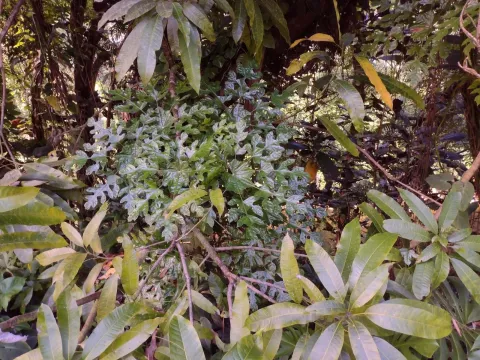
Trevesia
Trevesia Vis.
Trevesia is a genus of evergreen shrubs and small trees belonging to the Araliaceae family. Native to the tropical regions of Southeast Asia, these plants are renowned for their striking, palmately lobed leaves which give them a distinct, architectural appearance.
What the section contains
Trevesia
The culture thrives in environments that mimic its natural tropical habitat. It requires bright, indirect sunlight to maintain its lush foliage; exposure to harsh, direct sunlight can result in leaf scorching and permanent aesthetic damage to the plant.
Climate requirements include consistently warm temperatures, ideally between 20°C and 25°C. Trevesia is highly sensitive to cold drafts and sudden temperature fluctuations, which can cause significant stress to the plant and inhibit its growth.
Soil composition is critical for Trevesia cultivation. The plant requires a well-draining, nutrient-rich substrate, typically composed of peat, leaf mold, and coarse sand. Proper drainage is essential to prevent waterlogging, which the root system cannot tolerate.
Maintenance involves keeping the soil moist but not waterlogged during the active growing season. High ambient humidity is also necessary, which can be achieved through regular misting or using a pebble tray to create a microclimate around the plant.
The primary pests affecting Trevesia include spider mites and scale insects. These pests often thrive in environments with low humidity, making it essential to monitor the plant's foliage frequently for early signs of infestation.
Fungal diseases, specifically root rot, are common threats usually caused by overwatering or poor drainage. Ensuring that the pot has adequate drainage holes and using a professional potting mix helps mitigate these issues effectively.
Leaf yellowing or dropping is often a symptom of improper environmental conditions, such as insufficient light or irregular watering. Providing consistent care and monitoring the plant’s reaction to its surroundings is key to successful long-term growth.
Nutrient management is handled by applying a balanced, water-soluble fertilizer during the spring and summer months. This promotes healthy leaf development and strengthens the plant's overall resilience against environmental stress.
Control measures for infections involve using targeted systemic insecticides for pests and fungicides for pathogens. Maintaining good air circulation and hygiene around the growing area is the most effective preventative strategy for this species.