
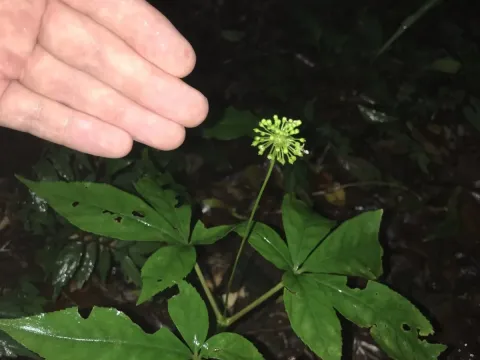
Japanese ginseng
Panax japonicus
Japanese ginseng (Panax japonicus) is a perennial herbaceous plant belonging to the Araliaceae family. The crop is primarily propagated by seeds, which require a lengthy stratification process lasting 6 to 8 months under specific temperature conditions that mimic natural woodland cycles.
What the section contains
Japanese ginseng
In agricultural practice, seeds are typically sown in late autumn, a few weeks before the ground freezes. This allows the seeds to undergo the necessary dormancy-breaking cycle, triggering germination as soon as the soil temperatures rise in early spring.
When using nursery boxes for propagation, a substrate consisting of leaf mold and sand is recommended. Germination is slow, and maintaining a weed-free environment during the seedling stage is critical for the survival of young plants.
Spacing is a vital aspect of planting, as the root system requires adequate room for development. A planting density of 20x20 cm or 25x25 cm is considered optimal to ensure each plant receives sufficient nutrients and space.
Seeds should be covered with 2–3 cm of soil, followed by a layer of organic mulch like wood chips. This helps regulate soil temperature and moisture levels, preventing the ground from drying out too quickly during the growing season.
Japanese ginseng is highly sensitive to light and requires shaded conditions that simulate its natural forest habitat. Exposure to direct sunlight often causes leaf scorch and stunts growth, making the use of shade cloths or natural tree canopy protection essential.
The soil must be fertile, loose, and rich in organic matter, with a pH ranging from 5.5 to 6.5. Good drainage is paramount; the plant cannot tolerate waterlogged soils, which quickly lead to root rot and other fungal diseases.
Consistent moisture levels are necessary for healthy development. While the soil should not be dry, excessive humidity without airflow can be harmful. In areas with high rainfall, raised beds are often used to improve soil drainage and aeration.
The optimal temperature range for vegetation is 15–20 degrees Celsius. The plant struggles in extreme heat and is susceptible to sudden temperature fluctuations, requiring careful microclimate management on the farm.
Annual maintenance involves refreshing the mulch layer. This practice protects the delicate root system from winter cold and provides a steady supply of nutrients, mimicking the natural process of forest floor enrichment.
The yield of Japanese ginseng is determined by the size and quality of the dried roots, which are harvested after reaching maturity, typically between 5 and 7 years of age. Productivity is measured by root biomass and saponin concentration.
Average yields range from 0.5 to 1.2 kg of fresh root per square meter, depending on the quality of the cultivation practices and the age of the plantation. Consistent care leads to higher returns in both weight and medicinal potency.
The 4th and 5th years are critical for biomass accumulation. During this phase, ensuring balanced nutrient availability and optimal soil conditions is essential to maximize the commercial value of the harvested roots.
Root quality is often judged by its shape and density. Proper management techniques that minimize stress on the plant encourage the formation of high-quality, dense roots preferred by pharmaceutical processors.
- Proper weeding significantly impacts final root weight.
- Organic fertilization improves the chemical profile of the plant.
- Adequate shade prevents heat stress and increases yield.
Fungal diseases, including Fusarium, Alternaria, and root neck rots, are the most significant threats to ginseng plantations. These pathogens flourish in conditions of poor air circulation and excessive soil moisture.
Pests such as wireworms, white grubs, and slugs can cause devastating damage to the root system. Integrated pest management, focusing on early detection and the use of biological controls, is necessary to keep plantations healthy.
Gray mold (Botrytis) frequently infects plants during rainy seasons. Proactive removal of affected plants and sanitizing the surrounding soil are crucial steps to prevent the spread of the infection throughout the bed.
Rigorous sanitation protocols must be followed. The use of fresh, non-composted manure is strictly prohibited, as it serves as a breeding ground for various soil-borne pathogens that can destroy a crop within one season.
Weekly monitoring of the plants allows for early identification of potential problems. Addressing issues at the first sign of leaf spots or stem wilt is the only way to effectively contain and manage these risks.
Harvesting Japanese ginseng takes place in late autumn after the aerial part of the plant has died back completely. At this time, all stored nutrients are concentrated within the root, ensuring the highest quality of the final product.
Roots are excavated carefully using garden forks to avoid any mechanical damage. Even minor cuts or bruises on the roots can significantly reduce their market value and make them susceptible to secondary infections.
After excavation, roots are gently cleaned of soil without harsh brushing. The sorting process follows, where roots are categorized by size and quality before moving to the drying stage to ensure uniformity.
Drying is performed in controlled environments at 40–50 degrees Celsius. This temperature must be strictly maintained; exceeding this limit can degrade the active compounds, while lower temperatures may cause spoilage.
Stored roots should be kept in a cool, dark, and well-ventilated area. Proper post-harvest management ensures that the therapeutic properties of the ginseng remain stable for professional pharmaceutical use.