
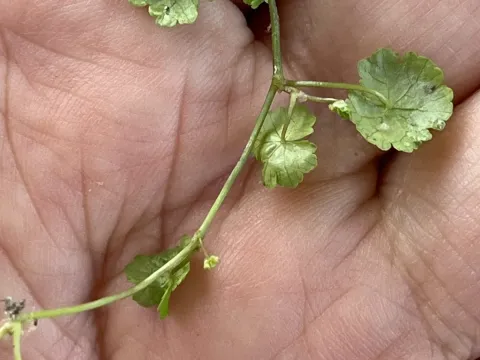
Hydrocotyle sibthorpioides
Hydrocotyle sibthorpioides
Hydrocotyle sibthorpioides is primarily propagated through vegetative methods, such as dividing the rhizomes or utilizing stem cuttings. Because the plant produces many nodes that readily sprout roots, propagation is highly efficient during the active growing season.
What the section contains
Hydrocotyle sibthorpioides
The ideal time for planting is early spring, when temperatures remain consistently above 18 degrees Celsius. This allows the plant to establish its root system and cover the designated area before the heat of summer.
When planting in fields or nursery beds, a spacing of 15 to 25 centimeters is typically used. The plant spreads horizontally, quickly forming a dense, carpet-like ground cover that suppresses competing weeds.
Seed propagation is possible but rarely practiced due to the small size of seeds and the complexity of germination. Vegetative cuttings ensure uniformity and faster maturation for both medicinal and ornamental use.
Preparation of the growing site requires clearing debris and ensuring the soil is sufficiently moist. If the soil is sandy, incorporating compost or peat moss is essential to improve moisture retention.
Belonging to the Araliaceae family, this plant is a moisture-loving species that thrives in wetland environments, stream banks, and damp, shaded garden areas. It requires a stable and high level of soil moisture to maintain healthy growth.
The plant prefers filtered sunlight or semi-shaded conditions. Direct, intense sunlight can stress the plant, leading to stunted leaves and chlorosis, especially in very warm climates.
Temperature management is critical; the species grows best between 18 and 25 degrees Celsius. While it can survive minor fluctuations, prolonged exposure to temperatures below 10 degrees will significantly inhibit growth.
The soil should be rich in organic matter and possess a slightly acidic pH. In cultivation, maintaining a balance of nitrogen and potassium is necessary to support the rapid development of its characteristic peltate leaves.
Adequate water quality is a prerequisite for success, particularly when grown in aquatic setups. The plant is sensitive to high concentrations of dissolved minerals, which can hinder nutrient uptake.
Fungal infections, particularly root rot and stem blight, are the most significant threats to this crop. These diseases are usually triggered by poor water circulation and excessive moisture in the foliage.
Pests such as aphids and spider mites can attack the plant, especially in controlled greenhouse conditions where humidity levels might fluctuate. Preventive monitoring is recommended to avoid infestations.
Inappropriate nutrient levels or pH imbalances can lead to yellowing leaves, a common symptom of nutrient deficiency or toxic accumulation in the substrate. Regular testing of water or soil is advised.
Overcrowding is a frequent cause of health issues in this plant. By ensuring proper spacing and removing dead foliage, growers can maintain sufficient airflow to minimize the risk of pathogen development.
Effective management includes the use of biological control methods for pests and ensuring proper drainage to prevent water stagnation. Chemical treatments should be used sparingly and only when necessary.