
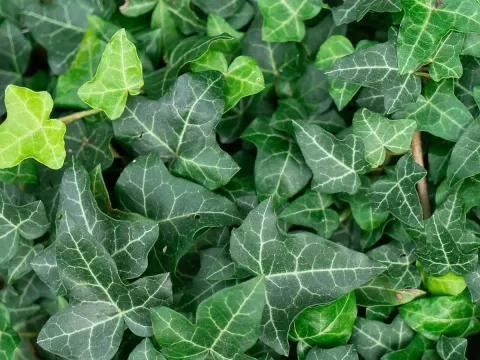
Iberian ivy
Hedera iberica
Iberian ivy (Hedera iberica) belongs to the Araliaceae family and is an evergreen climbing shrub widely valued for its dense foliage in ornamental horticulture.
What the section contains
Iberian ivy
The plant thrives in temperate climates, preferring shaded or semi-shaded environments that mimic its natural Mediterranean understory habitat.
Successful cultivation requires well-drained, nutrient-rich soil with a neutral to slightly acidic pH to support its vigorous annual growth rate.
Water management is essential; while the ivy prefers constant moisture, it is prone to root rot if the soil remains waterlogged for extended periods.
Maintenance involves pruning during the late dormant season to control its spread and promote the development of denser, more resilient foliage cover.
Leaf spot diseases are among the most common fungal threats, typically triggered by high humidity and poor ventilation within the plant canopy.
Insect pests, including spider mites and scale insects, frequently target the undersides of leaves, particularly when the ivy is stressed by drought.
Effective management strategies prioritize cultural practices such as thinning out dense growth to improve air circulation and reduce infection risks.
Chemical intervention with systemic pesticides should be used only as a last resort, following local agricultural guidelines for ornamental plant protection.
Monitoring the plants closely during the early spring allows for early detection of pest colonies before they cause significant aesthetic or structural damage.