
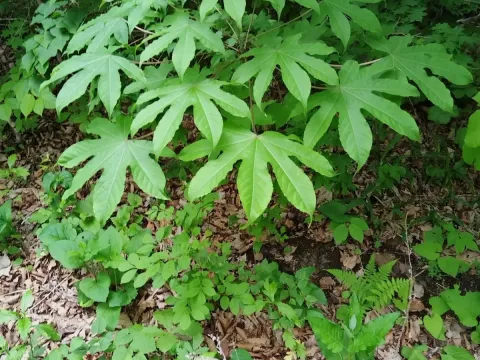
Kalopanax
Kalopanax
Sowing seeds of Kalopanax should be performed in late autumn, as the seeds have a dormant period and require prolonged natural stratification in the soil.
What the section contains

Kalopanax
Spring sowing often results in significantly lower germination rates, so experts recommend using fresh seeds immediately after they mature in the fall.
Seeds should be buried at a depth of about 2-3 centimeters in a well-prepared, humus-rich substrate that offers good structure and aeration.
Seedlings typically emerge only in the second year after sowing, which is due to the complex germination cycle of the embryo under natural conditions.
To accelerate this process in professional nurseries, methods of controlled stratification with fluctuating temperature cycles are frequently employed.
Kalopanax is a large deciduous tree belonging to the Araliaceae family, capable of reaching heights of 20-30 meters in its native habitat.
The culture prefers deep, fertile, and moderately moist soils with excellent drainage, as waterlogging is detrimental to the development of its root system.
While the plant is light-loving, young specimens can tolerate partial shade, allowing them to adapt to the conditions found in forest understories.
Climate requirements include a mild and humid environment; the tree is cold-hardy, although young saplings may suffer from frost damage during severe winters.
Ideal growing conditions include protection from desiccating winds and consistent levels of ambient humidity throughout the entire growing season.
The primary economic use of Kalopanax is the harvesting of its high-quality wood, which is highly valued in the furniture manufacturing industry.
The timber is characterized by its hardness, attractive grain, and natural resistance to rot, making it a premium choice for high-end woodwork.
Beyond its timber, the plant is widely appreciated in decorative horticulture as a specimen tree due to its unique leaf shape and striking floral displays.
In certain regions, young shoots and leaves have traditional culinary uses, and the bark is occasionally utilized in local folk medicinal practices.
The yield of woody biomass depends on environmental factors, with the full production cycle for timber harvest spanning several decades.
Kalopanax possesses strong natural immunity and rarely suffers from specific diseases when proper horticultural practices are followed in the garden.
Potential threats include fungal infections triggered by excessive soil moisture, which may eventually lead to root rot if not managed properly.
Pests such as aphids or spider mites may damage foliage during prolonged dry spells, which tend to weaken the plant's overall vitality.
To prevent the spread of pathogens, it is crucial to remove damaged branches promptly and ensure adequate air circulation within the tree's canopy.
When cultivating in nursery settings, it is essential to monitor for rodent damage, as they can strip the bark of young saplings during the winter.