
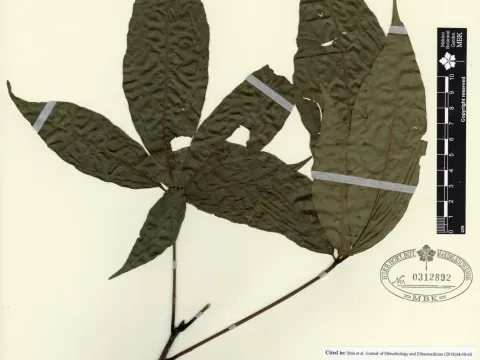
Macropanax
Macropanax
Macropanax is a genus of evergreen trees and shrubs belonging to the Araliaceae family. Native to the tropical regions of Southeast Asia, these plants thrive in the humid forest understories of China, India, and adjacent territories.
What the section contains
Macropanax
The cultivation of this plant requires well-draining, nutrient-rich soil that mimics the organic-rich environment of its natural habitat. Proper soil aeration is crucial to prevent root zone suffocation and promote healthy development.
In terms of climate, Macropanax requires a consistently warm environment with temperatures typically ranging between 20°C and 25°C. Exposure to direct sunlight should be avoided to prevent leaf scorch, preferring bright, filtered light instead.
Watering practices must be meticulous; the soil should be kept moist but never waterlogged. High ambient humidity is a key factor for success, often requiring supplemental misting or the use of humidifiers in greenhouse settings.
Agrotechnical management includes periodic fertilization with balanced mineral nutrients during the growing season. Regular pruning is also recommended to maintain the plant's shape and encourage healthy branching patterns.
Common pests that affect Macropanax include spider mites and mealybugs, which are particularly prevalent in low-humidity environments. Integrated pest management, including the use of neem oil or targeted systemic insecticides, is effective.
Root rot is a significant threat to the health of the plant, often resulting from poorly draining soil or excessive irrigation. Immediate repotting into fresh, well-draining substrate is necessary if signs of root distress appear.
Fungal leaf spot diseases may develop if air circulation is inadequate, especially in closed-environment systems. Ensuring proper spacing and airflow helps reduce the incidence of these pathogens significantly.
Nutrient deficiencies or improper pH levels in the growing medium can lead to chlorosis and general weakness. Regular soil testing and adjustment of fertilization schedules are essential to maintain strong plant immunity.
Biosecurity in the greenhouse is vital to prevent the introduction of common horticultural pests. Routine monitoring and early detection allow for prompt intervention, ensuring the long-term viability of the Macropanax crop.