
Kashmir aralia
Aralia cachemirica
Description
Growing requirements
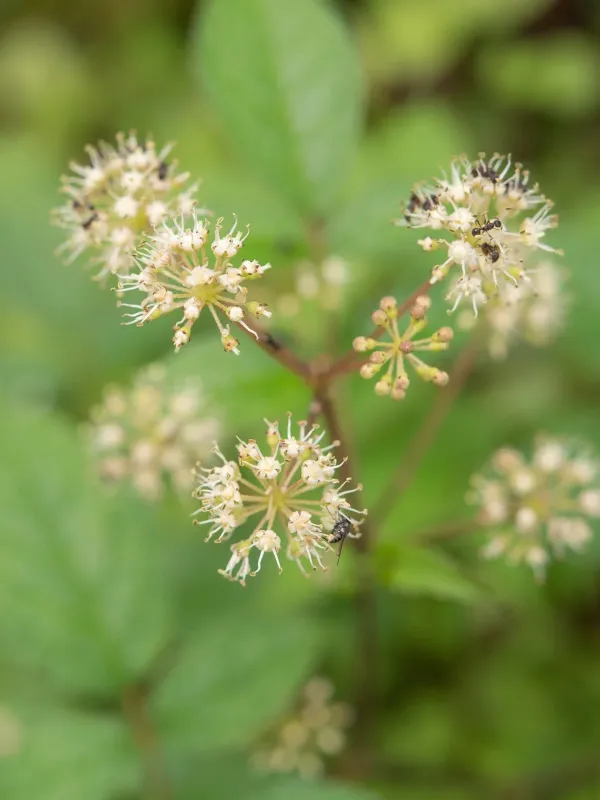
Kashmir aralia (Aralia cachemirica) is a perennial herbaceous plant belonging to the Araliaceae family, native to the mountainous regions of the Himalayas. Known for its medicinal properties and unique aesthetic appeal, it thrives in environments that replicate its natural forest habitat.
The plant requires fertile, well-draining soil that is rich in organic matter. A moist but not waterlogged environment is critical, as the roots are highly susceptible to rot if excess moisture accumulates in the root zone for extended periods.
Cultivation should take place in shaded or semi-shaded areas. Direct exposure to intense sunlight can cause leaf scorch and dehydration, significantly hindering the development of the plant and reducing the quality of its harvestable rhizomes.
Climate conditions for this species should be temperate with high humidity levels. In warmer climates, providing artificial shade and mulch is essential to maintain soil temperature and moisture levels, ensuring the plant remains healthy throughout the growing season.
Strategic soil management, including the regular addition of compost or humus, supports the growth of healthy root systems. This herbaceous perennial requires consistent care to maintain its vigor and maximize the chemical profile needed for pharmaceutical applications.
Main diseases and pests
Root rot is the most significant threat to Kashmir aralia, typically resulting from improper drainage or over-irrigation. Maintaining a balance in moisture is the primary defense strategy against soil-borne pathogens that target the root system.
Pests such as aphids often congregate on the undersides of leaves, drawing nutrients from the plant. This infestation can lead to stunted growth and reduced leaf quality, making routine monitoring an essential part of plant care.
Spider mites are another common nuisance, particularly in conditions with low humidity. These tiny pests pierce the leaf tissue, causing a speckled, yellow appearance that can eventually lead to tissue death if not managed promptly.
Preventative cultural practices, such as maintaining proper spacing between plants to ensure good air circulation, are highly effective at reducing the risk of fungal infections and mold development during damp weather.
Integrated pest management should focus on non-toxic solutions to preserve the integrity of the plant for medicinal use. Removal of infected plant matter is crucial to preventing the spread of diseases within the cultivation site.