
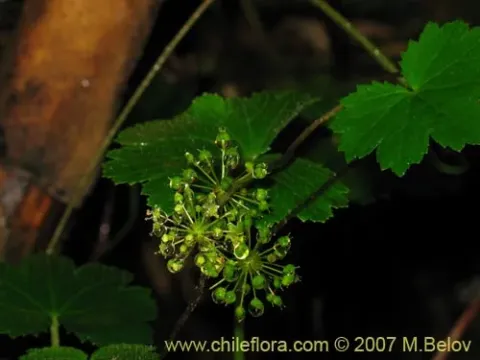
Hydrocotyle poeppigii
Hydrocotyle poeppigii
Hydrocotyle poeppigii is a perennial herbaceous plant belonging to the Araliaceae family. Native to South America, this plant is primarily found in wetland environments, including the banks of rivers, streams, and marshy areas where the soil remains consistently moist throughout the year.
What the section contains
Hydrocotyle poeppigii
Botanically, the plant is characterized by its creeping rhizomes and distinct shield-shaped leaves supported by long petioles. This growth habit allows it to form dense, lush carpets, making it a popular choice for aquatic landscaping and riparian zone restoration projects.
Successful cultivation requires a moist, nutrient-rich soil medium with a slightly acidic to neutral pH level. The plant thrives in environments that mimic its natural habitat, requiring high humidity levels and a constant water supply to maintain healthy vegetative development.
In terms of light, Hydrocotyle poeppigii prefers bright, indirect light. Direct exposure to intense sunlight can stress the plant, causing leaf burn and inhibiting growth. A controlled environment with temperatures ranging between 18 and 25 degrees Celsius is considered optimal for its survival.
Agricultural management primarily involves maintaining high soil moisture and regular division of rhizomes for propagation. Because of its rapid spreading nature, it is essential to manage its growth area to prevent the plant from becoming overly dominant in the designated cultivation zone.
The main threats to Hydrocotyle poeppigii include fungal infections such as root rot, which typically occur when the growing medium becomes stagnant and lacks sufficient oxygenation. Proper drainage, even in moist conditions, is vital to prevent the onset of these pathogens.
Pests like spider mites and aphids can affect the plant, particularly in greenhouse settings where air circulation might be insufficient. Regular monitoring and maintaining appropriate humidity levels are the most effective strategies for preventing infestations and ensuring a healthy crop.