
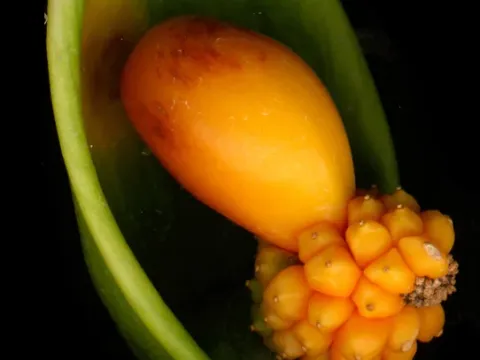
Nephthytis
Nephthytis Schott
Nephthytis (lat. Nephthytis) is a genus of herbaceous perennial plants belonging to the Araceae family. Native to the tropical rainforests of West Africa, these plants are adapted to high humidity, diffused light, and stable warm temperatures.
What the section contains
Nephthytis
Botanically, Nephthytis are evergreen climbers or epiphytes characterized by distinctive arrow-shaped leaves. In an agricultural and horticultural context, they are cultivated primarily for their aesthetic foliage, which makes them highly valued in interior design and tropical conservatory settings.
The culture requires a well-draining, nutrient-rich potting medium, typically consisting of a mix of peat, bark, and perlite. Maintaining constant soil moisture without waterlogging is essential, as the root system is highly susceptible to decay in anaerobic conditions.
Temperature requirements are strictly tropical, ideally ranging between 20°C and 26°C. Any exposure to cold drafts or temperatures below 15°C will cause physiological stress, leading to stunted development or leaf drop.
Regarding light, Nephthytis prefers bright, filtered sunlight. Direct exposure to solar radiation is detrimental, as it causes scorched leaf margins and bleaching, which significantly reduces the quality and marketability of the plants.
Common pests include spider mites and scale insects, which frequently infest plants in environments with low air humidity. Integrated pest management using insecticidal soaps or systemic treatments is recommended to control populations.
Root rot, primarily caused by Phytophthora or Pythium species, is the most common disease. This usually results from overwatering and poor drainage, necessitating immediate root inspection and adjustment of the irrigation schedule.
Leaf spot diseases often occur when air circulation is inadequate. Fungicidal sprays, combined with improved ventilation and sanitation practices, are necessary to prevent the spread of fungal spores across the nursery.
Nutritional imbalances, particularly deficiencies in nitrogen or magnesium, can lead to chlorosis. Balanced liquid fertilizers should be applied during the growing season to ensure optimal chlorophyll production and leaf vigor.
Mealybugs are another persistent threat that hide in leaf axils. Physical removal followed by targeted application of systemic insecticides is often required to eradicate these pests during early stages of infestation.