
Lemna tenera
Lemna tenera
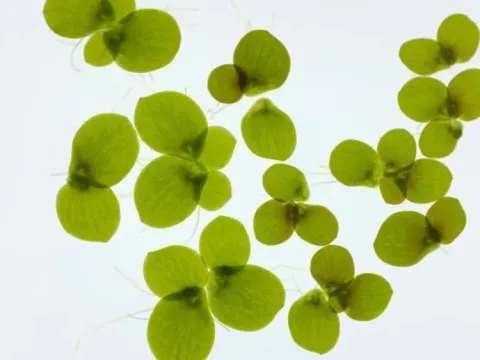
Lemna tenera is a small, free-floating aquatic plant belonging to the Araceae family. Characterized by its delicate structure, it thrives in stagnant or slow-moving water bodies, serving as a primary producer in aquatic ecosystems.
What the section contains
Lemna tenera
The species requires a tropical or subtropical climate to achieve maximum growth rates. It relies heavily on direct sunlight and stable water temperatures to maintain rapid cell division and expansion of its fronds.
For agricultural cultivation, the chemical composition of the water is vital. Lemna tenera thrives in water with high nitrogen and phosphorus levels, which are essential nutrients for its rapid biomass accumulation.
Environmental requirements include a neutral to slightly alkaline pH level. Fluctuations in water chemistry or pollution levels can significantly affect the growth cycle and the ultimate quality of the harvested biomass.
To ensure healthy growth, the surface of the water must be kept clear of excessive debris. Adequate spacing between individual plants prevents competition for carbon dioxide and ensures uniform light penetration across the entire colony.
The yield potential of Lemna tenera is exceptional. Due to its efficient vegetative reproduction, the species can double its population mass in a matter of days under optimal environmental conditions.
Biomass production per hectare often exceeds that of conventional terrestrial crops. This high-density growth makes it a promising resource for sustainable agricultural practices and nutrient recovery systems.
Nutritionally, the plant is rich in protein, amino acids, and vital micro-nutrients. When dried, the biomass serves as a high-quality ingredient for livestock feed, aquaculture diets, and organic fertilizers.
Intensive farming systems utilize controlled nutrient delivery to maximize harvest yields. By managing the water column chemistry, farmers can sustain peak productivity throughout the entire growing season.
Beyond feed, the high biomass production makes Lemna tenera an effective tool for bio-remediation. It efficiently extracts dissolved pollutants from water, improving environmental quality while providing a harvestable crop.
Harvesting Lemna tenera requires mechanical surface collection systems. Floating skimmers or conveyor-belt harvesters are typically used to remove the top layer of vegetation without disturbing the aquatic ecosystem.
Post-harvest management involves immediate moisture removal. Freshly collected biomass has a high water content, so pressing and drainage are necessary to prevent rapid degradation and spoilage of the material.
Drying techniques, including solar dehydration or industrial air drying, are employed to convert the raw plant matter into a stable, storable product. Proper storage prevents fungal growth and maintains the nutritional value of the meal.
The frequency of harvesting is crucial for long-term sustainability. Regular removal of excess plants prevents overcrowding, which could otherwise limit light availability and reduce the overall growth rate of the colony.
When harvesting, operators must ensure that a sufficient starter population remains in the water body. Maintaining this balance ensures that the next harvest cycle can begin immediately, supporting continuous production.