
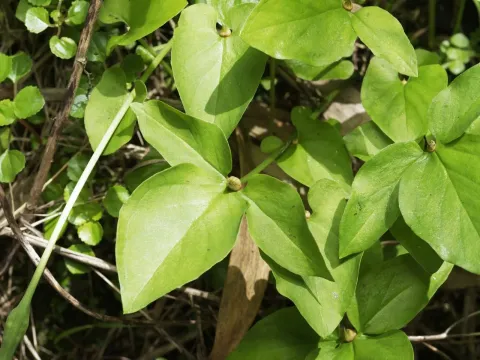
Pinellia
Pinellia Ten.
Pinellia (Pinellia Ten.) is a perennial herbaceous plant belonging to the Araceae family. In agricultural practice, it is primarily propagated vegetatively using bulblets that form naturally at the base of the main tuber or in the leaf axils.
What the section contains

Pinellia
Planting typically occurs in early spring once soil temperatures reach 10–12°C. Early sowing allows the crop to establish a robust root system before the onset of extreme summer heat, which can stress the plants.
Tubers are planted at a depth of 5–8 cm in well-prepared beds. A common planting density involves row spacing of 30–40 cm to facilitate weeding, irrigation, and eventual mechanical harvesting.
Before sowing, it is critical to inspect the planting material for signs of decay or pathogen damage. Treating tubers with suitable fungicides can significantly reduce the incidence of soil-borne diseases.
The success of the crop depends heavily on soil quality. Incorporating well-composted organic matter before planting improves soil structure and nutrient availability throughout the growth cycle.
Pinellia thrives in partial shade or areas with diffused light. Direct exposure to intense midday sun is detrimental, as it often leads to leaf scorching and premature dormancy, hindering tuber development.
The optimal temperature for growth ranges between 20°C and 25°C. Temperatures consistently above 30°C may trigger early senescence, causing the foliage to die back and stunting the growth of the tubers.
Moisture management is a delicate balance. While the crop requires constant soil moisture to flourish, waterlogging is lethal and quickly leads to tuber rot. A well-drained, porous soil is essential.
The ideal soil type is a light, loose, humus-rich loam with a neutral to slightly acidic pH. Heavy clay soils tend to impede tuber expansion and significantly complicate the harvesting process.
Good soil aeration is critical. Regular inter-row cultivation helps maintain soil structure and promotes healthy root respiration, which is vital for the plant to accumulate medicinal compounds.
The agricultural value of Pinellia lies in its tubers, which are widely utilized in traditional medicine. The processed dried tuber, Rhizoma Pinelliae, is the primary economic output for growers.
Yields vary depending on age, soil fertility, and management practices. Typically, a mature crop harvested after two or three years of growth provides the best yield and highest quality of active components.
The economic return is determined by the weight and the pharmacological purity of the harvested material. Efficient production systems use specialized washing and drying equipment to meet industry standards.
Beyond its medicinal role, Pinellia is occasionally cultivated as an ornamental plant for humid, shaded garden settings, appreciated for its unique spathe-and-spadix inflorescence structure.
Standardizing the harvest based on the concentration of bioactive alkaloids and saponins is crucial for ensuring the product meets the strict requirements of pharmaceutical buyers.
Fungal diseases are the primary threat to Pinellia cultivation. Soft rot and various leaf spot pathogens thrive in high-humidity conditions and stagnant air, often resulting in significant yield loss.
Wireworms and cutworms are common soil-borne pests that can physically damage the tubers. Effective management includes crop rotation and pre-planting soil treatment to minimize pest populations.
Aphids can infest the foliage, reducing plant vigor and potentially acting as vectors for viral diseases, which manifest as leaf mosaic patterns and overall stunted plant development.
Integrated Pest Management (IPM) is recommended, focusing on maintaining field sanitation, removing infected plants promptly, and using only certified disease-free planting material.
- Ensure adequate field drainage to prevent fungal outbreaks.
- Maintain a proper crop rotation cycle of at least 3–4 years.
- Monitor for early signs of foliar pests to prevent systemic infection.
Harvesting takes place in late autumn when the foliage begins to turn yellow and wither. This natural die-back indicates that the plant has ceased active growth and nutrients are concentrated in the tubers.
Tubers are carefully excavated to avoid mechanical injury. Even minor abrasions during harvest can serve as entry points for pathogens, leading to rapid decay during the post-harvest storage phase.
Once harvested, the tubers must be cleaned, removing all soil, root hairs, and debris. Grading by size is common at this stage to streamline the drying and processing efficiency.
Drying is performed in climate-controlled environments or well-ventilated sheds at temperatures below 50°C. Excessive heat must be avoided to prevent the degradation of heat-sensitive bioactive compounds.
Properly cured and dried tubers are stored in cool, dry conditions with high airflow. Maintaining low humidity in storage is the most important factor in preventing mold and preserving the product quality.