
Lysichiton
Lysichiton
Lysichiton is a genus of perennial herbaceous plants belonging to the Araceae family. Known for their striking appearance in wetland habitats, these plants are highly valued in horticultural practices as specialized specimens for pond edges and bog gardens.
What the section contains
Lysichiton
The natural range of the genus encompasses regions in North America and East Asia. These plants typically thrive in habitats such as coniferous swamps, wet forests, and the margins of slow-moving streams, where high moisture levels are maintained throughout the year.
Cultivation requirements for Lysichiton are strict regarding moisture; the soil must remain consistently saturated. A humus-rich, acidic to neutral substrate is ideal to support the plant's robust root system and provide essential nutrients for vigorous vegetative growth.
Regarding light, these plants are best suited for semi-shaded environments. While they can tolerate some sun if the roots are kept in running, cool water, excessive heat combined with intense sunlight will inevitably scorch the large, lush leaves of the plant.
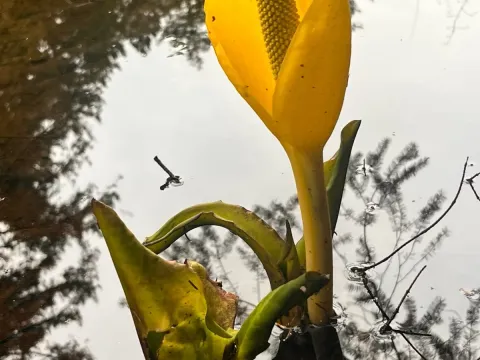
Botanically, Lysichiton is famous for its early spring display. The spadix is encased in a large, showy bract known as a spathe, which emerges early in the season, providing a significant ornamental interest before most other herbaceous plants have awakened.
The primary pests affecting Lysichiton are slugs and snails. Due to the plant's succulent nature and the moist habitat it prefers, these mollusks can inflict significant damage on the foliage early in the growing season if not properly managed.
Pathogen-wise, if the water or soil becomes stagnant and lacks proper oxygenation, the rhizomes may be susceptible to soft rot. Ensuring a healthy, slightly moving water environment helps maintain the overall vigor and disease resistance of the plant.