
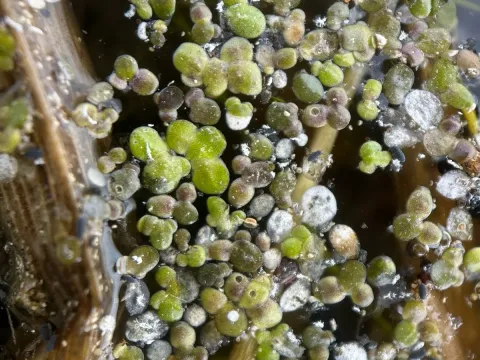
Lemna turionifera
Lemna turionifera
Lemna turionifera is a species of aquatic plant in the Araceae family known for its rapid growth rate. The plant is characterized by the production of turions, which are specialized dormant buds that settle at the bottom of the water body.
What the section contains
Lemna turionifera
Cultivation begins with the inoculation of water surfaces with mother cultures. This process is typically initiated during the spring when water temperatures rise consistently above 10–12°C.
The initial stocking density is crucial for success. By ensuring proper spacing, the plant can rapidly cover the water surface through vegetative budding, often doubling its biomass in just a few days.
In industrial settings, ponds are optimized for growth by providing a steady supply of nitrogen and phosphorus. Controlled environmental conditions allow for continuous production throughout the growing season.
The transition between growth phases and turion formation can be managed by adjusting water temperature and nutrient levels. This flexibility makes Lemna turionifera an adaptable crop for various aquatic farming systems.
Light availability is the most critical factor for the growth of this species. High levels of solar radiation promote rapid photosynthesis and expansion, which are essential for maximizing yields.
The water chemistry must be monitored for nitrogen, phosphorus, and potassium levels. Because the plant acts as a natural filter, it thrives in nutrient-rich water, such as treated municipal or agricultural wastewater.
Optimal pH levels for the cultivation of Lemna turionifera range from 6.5 to 7.5. Maintaining this neutral range prevents nutritional deficiencies and ensures the health of the plant mats.
Temperature regulation is key; while the plant is hardy, optimal growth is observed between 20°C and 28°C. Extreme temperatures may trigger the formation of dormant turions, halting biomass production.
Good water circulation is necessary to prevent oxygen depletion beneath the dense plant mats. Proper aeration helps maintain the structural integrity of the colony and prevents the buildup of organic waste.
Lemna turionifera offers exceptional biomass yields, making it one of the most efficient aquatic crops available. Under optimal conditions, it can produce significant tonnage of dry matter per hectare.
The nutritional profile of the harvested biomass is highly valued in animal husbandry. It contains high levels of crude protein, often reaching 30% of its dry weight, along with essential amino acids.
The plant is increasingly used as a sustainable alternative to soy or fishmeal in livestock and aquaculture feeds. Its high carotenoid content also makes it an excellent supplement for poultry feed.
Harvesting is typically performed using mechanical skimmers or conveyor belts. Efficient harvesting techniques ensure that only a portion of the population is removed, allowing the colony to regenerate quickly.
Productivity is consistently high when managed correctly, allowing for multiple harvests within a single season. The combination of rapid growth and easy harvesting makes it a cost-effective agricultural solution.
Fungal infections can occur if the water quality deteriorates or if there is excessive plant density with poor circulation. Maintaining clean and aerated water is the primary method of disease prevention.
Insect pests, such as various duckweed weevils, may feed on the fronds. Regular monitoring of the pond surface is necessary to identify and treat potential infestations before they spread across the colony.
Heavy metal accumulation poses a risk if the water source is contaminated. When using this plant for bioremediation, the resulting biomass must not be used for animal feed due to safety concerns.
Competition from filamentous algae can suppress growth. Frequent removal of invasive aquatic weeds is essential to protect the duckweed population and ensure a pure harvest.
Environmental stressors, such as sudden chemical imbalances or pollution, can lead to widespread plant die-offs. Strict quality control of the input water is required to maintain a healthy and productive system.
The harvest timing is based on reaching a target surface coverage, typically around 90%. Overcrowding should be avoided as it reduces the individual quality and growth speed of the plants.
Mechanical harvesting equipment is used to extract the floating mats from the water. The material is then processed to remove excess moisture before moving to the drying stage.
Drying is conducted using solar energy or industrial dryers at temperatures below 60°C to preserve the sensitive protein and vitamin content. Once dried, it can be ground into powder or granulated.
Storage must be in a cool, dry, and dark environment. Since the plant material is highly hygroscopic, it is vital to protect it from humidity to prevent spoilage and microbial growth.
Strategic harvesting helps optimize the lifespan of the pond system. By leaving a portion of the crop for regeneration, the farmer ensures sustainable productivity across multiple growth cycles.