
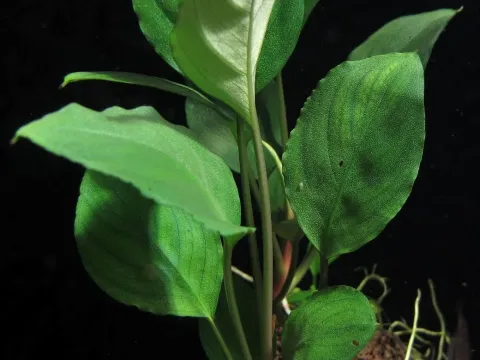
Piptospatha
Piptospatha
Piptospatha is a genus of perennial herbaceous plants belonging to the Araceae family. In their natural habitat, these plants are classified as rheophytes, adapted to surviving on rocky substrates along the banks of fast-flowing streams in the tropical rainforests of Southeast Asia.
What the section contains


Piptospatha
Cultivation requires high humidity levels, ideally above 70%, and a stable ambient temperature ranging from +22°C to +26°C. In agricultural practice, these plants are best suited for specialized environments like paludariums or humidity-controlled glasshouses to mimic their tropical origin.
The substrate must be porous, airy, and moisture-retentive without becoming waterlogged. Growers typically use inert media such as volcanic rock or fine gravel to ensure proper drainage while providing enough moisture for the root system to thrive.
Lighting should be diffuse to prevent leaf scorching, which occurs quickly under intense direct sunlight. Using LED grow lights provides the necessary spectrum for healthy foliage development and maintains the compact shape characteristic of this genus.
Piptospatha serves primarily as an ornamental plant for botanical collections and interior design in paludariums. Its aesthetic value is derived from its unique leaf texture and its rare ability to thrive in constant high-moisture conditions, making it a prized specimen for hobbyists.
The primary health risks for Piptospatha are fungal infections often triggered by poor ventilation and water stagnation. Maintaining adequate airflow around the foliage and the root zone is crucial to prevent the development of root rot and other systemic bacterial or fungal ailments.
Pests such as spider mites and mealybugs can pose a threat, especially in environments where humidity levels are not properly regulated. Regular inspection of the undersides of leaves is recommended, with localized treatment using insecticides should any pest infestation be detected.