
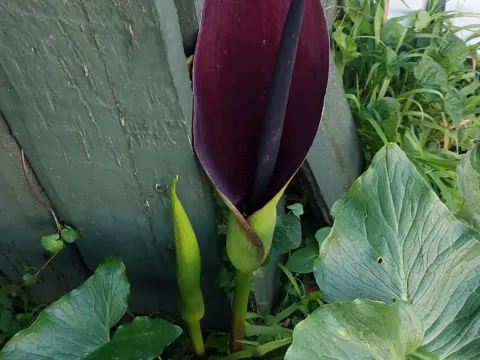
Palestine arum
Arum palaestinum
Palestine arum (Arum palaestinum) is a herbaceous perennial belonging to the Araceae family. Native to the Levant region, this plant naturally thrives in Mediterranean ecosystems, often found in rocky terrains and open meadows.
What the section contains
Palestine arum
The cultivation of this crop requires well-drained, fertile soil, ideally sandy loam or rocky substrates. Proper soil structure is essential as the plant's tubers are highly susceptible to root rot when exposed to stagnant water during dormancy.
Climatic requirements are defined by a distinct seasonality, typical of the Mediterranean climate. The plant requires cool, moist winters for active growth and a hot, dry summer period to enter full dormancy and preserve tuber health.
It performs best in partial shade to full sun conditions, provided that the soil moisture levels are managed correctly. Shade is often preferred in regions with extremely high summer temperatures to prevent heat stress.
Botanically, it is characterized by its dramatic dark purple, almost black spathe, and broad foliage. The tuberous rootstock serves as the primary energy reservoir, allowing the plant to rapidly emerge after the first winter rains.
The most significant threats to Palestine arum include fungal infections such as Fusarium and Pythium, which target the root and tuber systems, especially in poorly drained or waterlogged soils.
Pests such as wireworms and soil-dwelling larvae can bore into the tubers, causing physical damage that weakens the plant and invites secondary bacterial infections.
Slugs and snails are major pests for the foliage, particularly during the early spring growth phase. Their feeding activities can defoliate entire plants if left unmanaged during high humidity periods.
Cultural control, such as soil aeration and avoiding excess irrigation during the dormant summer period, is crucial for mitigating disease development and promoting plant vigor.
If chemical intervention is necessary, the application of targeted fungicides during the planting stage or at the first sign of symptoms can effectively preserve the crop health and ensure successful growth cycles.