
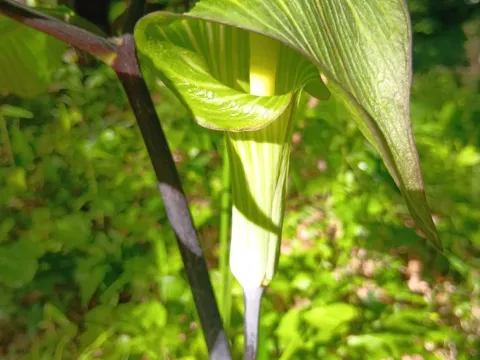
Arisaema serratum
Arisaema serratum
Sowing seeds of Arisaema serratum is best performed immediately after harvesting in late autumn. These seeds require a period of cold stratification, so sowing them directly into outdoor containers or beds before winter is the most effective method for successful germination.
What the section contains
Arisaema serratum
If starting indoors, sow the seeds in a moist, well-draining substrate during the late winter months. Keep the containers at a steady temperature of around 15–18 degrees Celsius, ensuring the soil remains damp but never waterlogged to support the embryos.
Vegetative propagation is achieved by dividing the offsets or cormlets during the dormant season. Carefully separate the small tubers from the main corm and replant them at a depth of 10–15 centimeters in nutrient-rich soil to establish new plants.
Choose planting locations that provide partial to full shade, mimicking the natural understory environment of their Asian habitats. Avoiding direct, intense sunlight is crucial to preventing leaf scorch and maintaining the plant's health.
Preparing the planting hole is essential for success. Incorporating organic matter such as leaf mold or compost ensures the soil structure remains loose and aerated, which is vital for the development of healthy corms.
Arisaema serratum belongs to the Araceae family and is highly regarded as a unique ornamental and exotic plant. Originating from the forests of East Asia, it thrives in environments characterized by dappled light and cool, moist conditions.
The culture requires a loose, humus-rich soil that is slightly acidic. Excellent drainage is paramount, as the corm is susceptible to rot if it remains in stagnant water for extended periods, especially during active growth.
Arisaema plants are sensitive to high temperatures and low humidity, which are common issues in mid-summer. Maintaining consistent soil moisture and providing a protective layer of mulch can help mitigate the effects of heat stress.
Regular watering is necessary throughout the growing season to keep the soil consistently damp. However, it is important to reduce watering as the plant enters dormancy in late summer or early autumn to prevent tuber rot.
For winter care in colder climates, providing a thick layer of organic mulch over the planting site acts as an insulator. This protects the dormant corms from extreme frost and sudden temperature shifts during the winter months.
Fungal infections and tuber rot are the primary health threats to Arisaema serratum. These issues typically arise from excessive moisture or poor drainage, making it difficult for the corm to breathe in the soil.
Slugs and snails are the most significant pests, often targeting the emerging shoots and lush foliage in early spring. These pests can significantly disfigure the leaves, reducing the plant's overall vigor and aesthetic appeal.
In greenhouses or enclosed environments, spider mites can become an issue if the ambient air remains dry. Increasing humidity and regular monitoring are essential preventive measures to manage these infestations effectively.
Practicing good garden hygiene, such as removing debris and weeds around the plants, reduces the hiding places for pests. This simple strategy significantly lowers the pressure from invertebrate threats throughout the season.
Should any signs of disease appear, affected plant tissues must be removed immediately to prevent further spread. Ensuring that tools are sanitized when handling corms helps maintain a healthy and disease-free environment for the colony.