
Arisaema sikokianum
Arisaema sikokianum
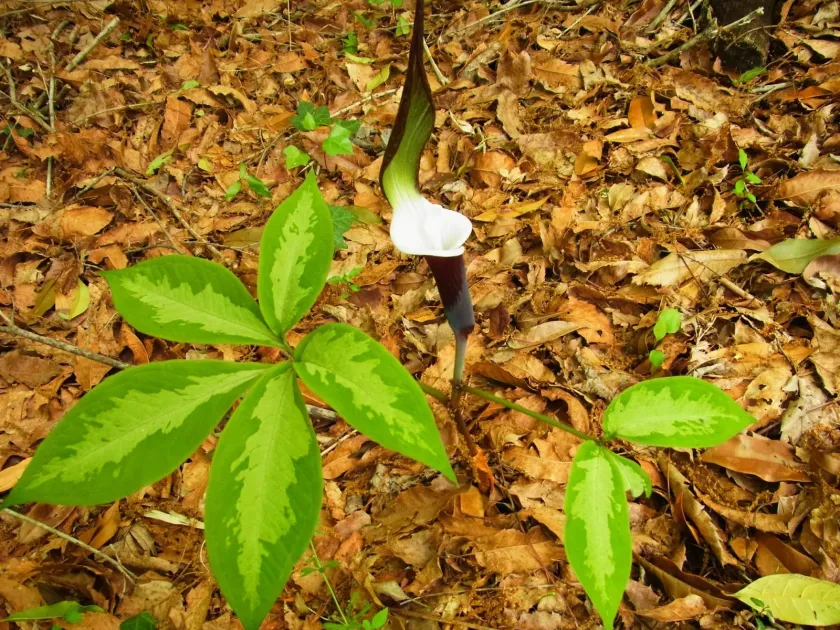
Description
Sowing dates
The propagation of Arisaema sikokianum is primarily achieved through the division of tubers, which should be performed in early spring before the plant enters its active growth phase.
Seed propagation is a more delicate and time-consuming process that requires cold stratification to replicate the natural life cycle of the plant and ensure successful germination.
Tubers must be planted in a prepared, nutrient-rich substrate at a depth of approximately 10–15 centimeters, ensuring adequate spacing between individual plants.
It is vital to avoid planting in areas prone to seasonal flooding, as excessive moisture often leads to the rapid decay of the tuberous root system.
The ideal period for planting is once the threat of frost has passed and the soil has sufficiently warmed up to support root establishment and foliage development.
Growing requirements
Arisaema sikokianum belongs to the Araceae family and is a highly sought-after perennial native to the shaded forest floors of Japan, prized for its unique spathe and spadix structure.
The cultivation of this plant requires a loose, well-draining soil rich in organic matter, maintaining a neutral or slightly acidic pH for optimal nutrient uptake.
These plants thrive in partially shaded conditions, as direct, intense sunlight can cause significant leaf scorch and inhibit the plant's natural growth cycle.
Regular but moderate watering is essential during the growing season; the substrate should remain moist but never waterlogged to prevent root rot.
In colder regions, it is recommended to apply a protective layer of mulch or dried leaves during the winter months to insulate the soil and protect the dormant tubers from freezing.
Main diseases and pests
Fungal diseases constitute the primary threat to the health of the plant, often triggered by over-irrigation and poor air circulation in the planting area.
Gastropods, such as slugs and snails, are major pests that can quickly devastate the foliage and inflorescences if not managed through physical barriers or traps.
Aphids may occasionally infest the plant, particularly in sheltered or humid environments, leading to distorted growth and reduced vigor of the individual specimen.
Management practices should focus on maintaining a clean garden environment, free from excessive debris that might harbor harmful pests or disease spores.
Routine inspection of the foliage is critical to identify early signs of damage and apply targeted organic or chemical treatments to maintain plant health throughout the season.