
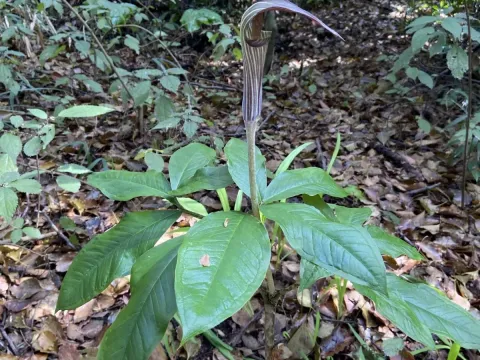
Arisaema japonicum
Arisaema japonicum
Arisaema japonicum is typically propagated through seeds or by dividing the tubers during the dormant spring season. Seeds should be sown immediately after harvest, as they tend to lose viability quickly if allowed to dry out.
What the section contains
Arisaema japonicum
When sowing in a protected environment, use a temperature-controlled setting around 20 degrees Celsius. Maintaining consistent moisture in the substrate is critical for achieving successful germination rates.
Vegetative propagation is performed by detaching daughter tubers from the parent plant during the period of dormancy when the foliage has fully withered. This method ensures that the offspring retain the exact characteristics of the parent plant.
The seeds should be planted at a depth of 1–2 centimeters in a loose, nutrient-rich potting mix. Gardeners should expect irregular germination patterns, as this is a natural biological characteristic of the Arisaema genus.
Seedlings require transplanting into individual pots as they develop their root systems. Once the threat of late-season frost has passed and temperatures are stable, young plants can be moved to their permanent outdoor location.
Belonging to the Araceae family, Arisaema japonicum thrives best in areas with filtered light or dappled shade. Exposure to intense, direct sunlight can damage the delicate, broad leaves and reduce the plant's ornamental appeal.
The ideal soil for this species is fertile, humus-rich, and well-drained. Preventing waterlogged conditions is essential, as saturated soil can quickly cause the tubers to rot during the growing season.
Arisaema prefers soil with a pH level ranging from slightly acidic to neutral. Incorporating organic matter such as leaf mold or well-rotted compost during the planting phase significantly improves plant vigor.
This crop requires high levels of ambient humidity; therefore, supplemental watering is necessary during dry spells. Applying a layer of organic mulch helps retain soil moisture and keeps the roots cool during summer heat.
In regions with harsh winters, tubers should be protected with a thick layer of mulch or excavated and stored in a cool, dry environment. A proper dormant phase is vital for the plant to successfully flower in the following year.
The primary threat to Arisaema japonicum is root rot, which typically develops due to poor drainage or overwatering. Fungal pathogens can invade the succulent tissue of the tubers, leading to rapid decay if left unchecked.
High-humidity environments may encourage the development of powdery mildew or various leaf spot diseases. Prompt removal of affected foliage and the use of appropriate fungicides help maintain the plant's health.
Slugs and snails are the most common pests, as they feed voraciously on the tender young shoots. Utilizing physical barriers or approved bait treatments is the most effective strategy for damage prevention.
Aphids may occasionally infest the undersides of the leaves, weakening the plant by extracting essential sap. Systemic insecticides are recommended for managing larger infestations before they cause significant physiological stress.
Soil-dwelling nematodes can compromise root integrity, resulting in stunted growth and leaf chlorosis. Good hygiene practices, such as sourcing disease-free tubers and avoiding soil contamination, are essential for long-term cultivation.