
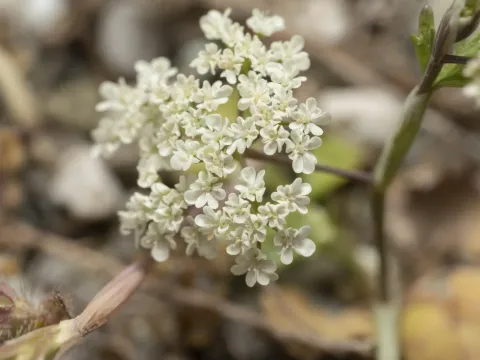
Cretan Burnet Saxifrage
Pimpinella cretica
Sowing of Pimpinella cretica is primarily conducted in the spring when soil temperatures reach 8–10 degrees Celsius. Maintaining stable substrate moisture is critical during the initial phase, as the seeds exhibit slow germination rates.
What the section contains
Cretan Burnet Saxifrage
The optimal sowing pattern involves a wide-row method with row spacings of 45–60 centimeters. This provides sufficient space for the development of a robust root system and facilitates easier maintenance of the crop.
To accelerate germination, seeds undergo stratification for several weeks at low temperatures. This pre-sowing treatment significantly enhances field emergence rates under natural conditions.
Seeding depth should not exceed 1–2 centimeters, given the small size of the seeds. Excessive depth may lead to the death of the seedling before it reaches the soil surface.
Winter sowing is also feasible, allowing for earlier and more uniform emergence the following spring. In this case, the seeds undergo natural stratification within the soil profile.
Pimpinella cretica is a member of the Apiaceae family, native to the Mediterranean region. The crop prefers sunny sites that provide protection from strong, drying winds.
The best results are achieved on light, well-drained, calcareous soils. The plant is intolerant of waterlogged conditions, which can quickly lead to root rot and systemic failure.
The optimal temperature range for active growth of the burnet saxifrage is 20–25 degrees Celsius. The crop exhibits moderate drought tolerance, though it requires regular irrigation during its peak growth stages.
To ensure high quality of the raw material, avoid excessive nitrogen fertilization. Phosphorus and potassium blends are preferred to promote the accumulation of essential oils within the plant tissues.
Soil pH is a critical factor, with neutral to slightly alkaline conditions being ideal. Development is significantly stunted in acidic soils, which adversely impacts the marketability of the final product.
The economic value of this crop lies in the harvesting of seeds and aerial parts containing essential bioactive compounds. The yield of green biomass depends directly on management quality and substrate fertility.
Following standard agronomic practices, yields of 10 to 15 centners of dry plant mass per hectare can be achieved. Seed yields generally range between 4 and 8 centners depending on the age of the stand.
Maximum productivity is typically observed during the second and third years after planting when the plant reach peak maturity. Productivity may decline in subsequent years due to the aging of the rootstock.
Raw material is harvested during the peak flowering phase when the concentration of essential oils is at its highest. Timely harvesting is essential for ensuring the quality of the end product.
Factors limiting yield include unfavorable weather conditions during seed maturation and competition from weeds during the early establishment phase of the crop.
Pimpinella cretica is susceptible to fungal diseases such as powdery mildew and various types of rust. These pathogens are particularly dangerous under conditions of high humidity and poor field ventilation.
Among pests, larvae of the carrot fly and aphids pose the greatest threat. These insects can damage the root system or extract sap from young leaves, significantly reducing the plant's overall vitality.
Disease prevention relies on crop rotation and avoiding overly dense plantings. Biological control agents are effective during the initial stages of infection to maintain plant health.
Root rot represents a serious risk during periods of soil saturation. Timely cultivation of inter-rows helps improve soil aeration and reduces the likelihood of rot development.
Nematodes may also affect the root system in warmer climates. Regular monitoring and the use of certified, disease-free seed material are the primary control measures for this crop.
Harvesting of the aerial parts is performed in dry weather by cutting the stems several centimeters above the soil surface. Using a sharp tool prevents damage to the root crown and ensures faster recovery.
Seed material is collected as the umbels turn brown, taking care to prevent excessive shedding. Methods often involve windrowing followed by threshing once the seeds have reached full maturity.
The collected raw material is immediately sent for drying in shaded, well-ventilated areas. Drying temperatures must not exceed 40 degrees Celsius to preserve the delicate volatile oils.
After drying, the plant material is either ground or kept intact depending on its intended commercial application. Proper storage in paper bags or airtight containers away from direct sunlight is crucial.
Regular quality assessment and laboratory testing of the harvested material are recommended. Properly processed Pimpinella cretica can retain its aromatic properties for up to two years.