
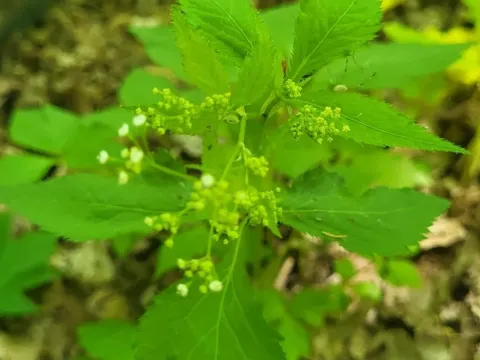
Cryptotaenia
Cryptotaenia
Cryptotaenia, widely known as Japanese parsley or mitsuba, is a perennial herb typically sown in early spring when the soil temperature reaches at least 10–12 degrees Celsius.
What the section contains


Cryptotaenia
For a continuous supply of fresh leaves, gardeners often employ successive sowing, planting new batches every 3 to 4 weeks throughout the spring and early summer.
Seeds should be planted at a shallow depth of 1–1.5 cm in well-prepared soil, maintaining row spacing of approximately 25–30 cm to allow for adequate air circulation.
The germination process is relatively slow, making it essential to keep the seedbed consistently moist and free from crusting to ensure successful emergence.
Once seedlings are established, thin them to a distance of 15–20 cm apart; this spacing is crucial for promoting vigorous growth and lush foliage development.
Cryptotaenia thrives in partial shade, as exposure to direct, intense sunlight can cause the leaves to become tough and bitter, negatively impacting culinary quality.
The plant requires fertile, well-draining soil rich in organic matter; a loam-based substrate with a neutral pH is considered optimal for the best results.
Consistent irrigation is vital, especially during dry spells; moisture stress often triggers premature bolting, which terminates the production of usable leaves.
The ideal temperature range for Cryptotaenia is between 15 and 22 degrees Celsius, as high temperatures significantly hinder its growth and flavor profile.
Incorporating high-quality compost into the soil prior to planting provides the necessary nutrients for the plant to maintain a healthy growth rate throughout the season.
Like many members of the Apiaceae family, Cryptotaenia is susceptible to the carrot rust fly, which can damage the roots and weaken the entire plant.
Overcrowded plantings combined with high humidity levels increase the risk of powdery mildew, which manifests as a white, dusty growth on the foliage.
Aphid infestations may occur, causing leaf curling and potential transmission of mosaic viruses, which necessitates early detection and organic treatment options.
Slugs and snails can pose a significant threat to young, tender plants, requiring gardeners to keep the growing area free of debris and potential hiding spots.
Practicing strict crop rotation is recommended to prevent the buildup of soil-borne pathogens and pests common to this botanical family.
Harvesting usually begins 45 to 60 days after emergence, once the plant has developed a healthy, robust rosette of leaves that are ready for picking.
The outer leaves should be cut or pinched off individually, which encourages the central heart of the plant to continue producing new, succulent growth.
For the best flavor and texture, harvest the leaves during the early morning hours, as this is when the plant is most hydrated and aromatic.
If seed production is desired, allow the strongest plants to bolt; they will produce distinctive umbel flowers followed by viable seeds by the end of the season.
With careful management and adequate water, Cryptotaenia can provide multiple harvests, making it an excellent addition to the kitchen herb garden.