
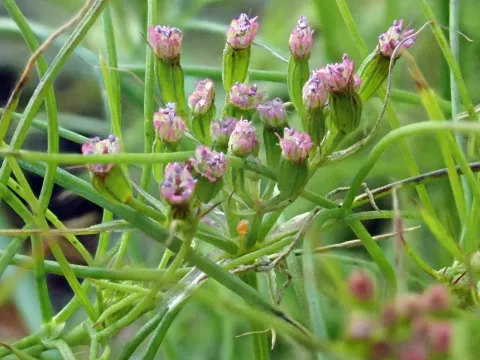
Cumin
Cuminum
Cumin is sown in the spring once the soil temperature consistently reaches 15–20 degrees Celsius, as the crop is highly sensitive to cold conditions.
What the section contains

Cumin
The ideal planting period occurs after the danger of late frost has passed, given that young seedlings are prone to cold damage.
Seeds are sown in rows spaced approximately 30–40 centimeters apart to provide each plant with adequate space for growth and nutrient uptake.
The seeding depth should be around 2–3 centimeters in light soils to ensure consistent germination and successful establishment of the crop.
In regions with shorter summers, utilizing a seedling-transplant method is recommended to extend the vegetation period and guarantee mature seed harvest.
Cumin is an annual herbaceous plant in the Apiaceae family that requires a long, hot, and dry growing season to produce a high-quality yield.
The crop thrives best in well-drained, fertile loamy or sandy soils with a neutral pH level, which prevents moisture retention issues.
Full sun exposure is crucial for cumin, as shading causes the plants to grow spindly and significantly reduces the essential oil content in the seeds.
The plant is highly susceptible to root diseases caused by waterlogging, making proper drainage and careful irrigation management essential factors.
While moderate moisture is required during the vegetative phase, soil humidity must be strictly controlled near maturity to avoid impacting seed quality.
Cumin yield potential depends heavily on regional climate adaptability and the consistent application of sound agronomic management practices throughout the season.
Under intensive cultivation systems and favorable weather conditions, farmers can expect a yield ranging from 0.5 to 1 metric ton of seeds per hectare.
Uniform stand establishment and effective weed control are vital, as the crop grows slowly during its initial stages and competes poorly with invasive weeds.
Timely application of balanced mineral fertilizers helps increase grain weight and improves the overall concentration of aromatic compounds in the harvest.
Maximizing yield success requires strict adherence to crop rotation cycles to prevent soil depletion and mitigate the buildup of soil-borne pathogens.
Fungal diseases, particularly powdery mildew, represent a major threat to cumin fields, especially when humidity levels remain elevated for extended periods.
Root rot is a common problem in poorly drained fields, often causing widespread seedling mortality and significant plant loss during the early stages of growth.
Common pests such as aphids and spider mites can infest the foliage, sucking essential plant sap and hindering the overall vigor of the crop.
- Fusarium wilt
- Powdery mildew
- Aphids
- Spider mites
Integrated pest management and the strategic use of appropriate fungicides and insecticides are necessary to maintain crop health and protect against outbreaks.
Harvesting begins when the fruit clusters turn a brownish color and the seeds reach a firm texture, indicating that physiological maturity has been achieved.
Timing the harvest is critical, as delaying it risks seed shattering, which can result in substantial field losses if the plants are left too long.
Harvest operations are ideally performed during early morning or evening hours to minimize shatter loss caused by excessive heat and brittle plant tissue.
Plants should be gathered into bundles and cured in a shaded, well-ventilated area to allow the seeds to fully dry and complete their maturation.
Post-harvest processing involves threshing and cleaning the seeds to remove debris before storing them in airtight containers to preserve their distinct fragrance.