
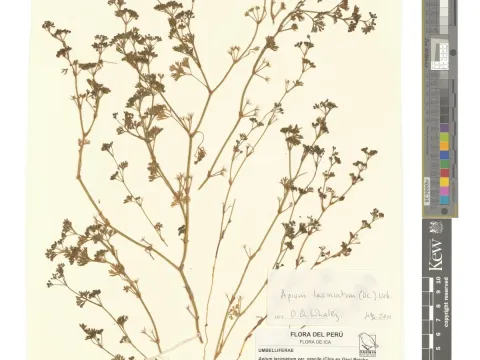
Cutleaf celery
Apium laciniatum
Cutleaf celery is typically propagated via seedlings, as its seeds have a slow germination rate. Starting the process indoors in late winter allows for a strong head start before the spring thaw.
What the section contains
Cutleaf celery
The seeds are very small and should be sown on the surface of the soil, pressed lightly, and kept consistently moist. Providing adequate light is crucial during the germination phase to ensure healthy initial growth.
Transplanting into the garden occurs when the risk of frost has passed, usually in mid-to-late spring. Seedlings should be hardened off for a week before moving them to their permanent outdoor location.
Spacing is essential for this crop to prevent the development of leaf diseases. A distance of at least 25–30 cm between plants allows for optimal airflow and easier mechanical cultivation.
In regions with shorter growing seasons, using row covers can protect young plants from sudden temperature drops and help maintain the humidity levels required for early establishment.
As a member of the Apiaceae family, Cutleaf celery thrives in nutrient-rich, well-draining soils with a pH level between 6.0 and 7.0. It requires significant moisture to produce high-quality foliage.
Regular irrigation is vital. The root system is relatively shallow, making the plant highly sensitive to soil surface drying. Mulching can help maintain stable soil moisture levels during hot weather.
Temperature-wise, it prefers moderate climates. While it can withstand light frost, prolonged heat can cause the foliage to become bitter and lead to premature bolting (flowering).
Fertilization with nitrogen-rich sources is recommended during the peak growth stages to support leaf production. Organic compost or balanced liquid fertilizers are often preferred for vegetable quality.
Weed control is mandatory, as this crop does not compete well with vigorous weeds for nutrients and water. Regular shallow hoeing between rows is the standard practice for maintaining a clean patch.
Yield for Cutleaf celery is determined by the number of cuttings performed throughout the growing season. With proper care, the plant will consistently regenerate new leaves after each harvest.
In optimized field conditions, yield can reach 2 to 3 kilograms per square meter. The total volume of harvest depends heavily on the intensity of the growth period and regular nutrient replenishment.
Harvesting the outer leaves continuously ensures a steady supply of fresh product. This method keeps the central part of the plant healthy and productive for a longer duration.
Proper water management is the biggest factor in maximizing biomass yield. Plants that are not stressed by drought produce much thicker and more flavorful leaves.
The quality of the yield is maintained by harvesting in the early morning when the leaves are turgid and contain the maximum amount of aromatic essential oils.
Septoria leaf spot is a frequent fungal pathogen that manifests as dark, irregular spots on the leaves. It thrives in high-humidity conditions and requires immediate fungicide application or removal of infected leaves.
The Celery leaf miner is a notorious pest that creates tunnels within the leaf tissue, significantly reducing the marketability of the crop. Integrated pest management using traps and biological control is recommended.
Aphids often target young shoots during dry spells. If left untreated, they can lead to leaf curling and spread viral diseases that are difficult to cure.
Root rot, caused by various soil-borne fungi, occurs primarily due to poor drainage and waterlogging. Improving soil structure is the most effective way to prevent this issue.
- Rotating crops every three years is crucial to break the disease cycle of specialized celery pathogens.
- Regular monitoring of the underside of leaves helps in early detection of pests.
Harvesting begins once the plant reaches a sufficient size, typically 8 to 10 weeks after transplanting. Only the outer, fully developed stalks and leaves should be harvested.
Post-harvest handling is critical for shelf life. Leaves should be kept cool and shielded from direct sunlight to prevent wilting. They can be stored in perforated plastic bags for several days in a refrigerator.
For long-term storage, Cutleaf celery is highly suitable for drying or freezing. Both methods effectively preserve the unique flavor profile that distinguishes it from common stalk celery.
In a commercial setting, harvest is conducted by hand or with specialized machinery designed to cut leaves above the crown, ensuring the plant remains viable for future harvests.
Final harvest before the first hard frost allows for the maximum utilization of the season's growth, with plants often used for pickling or processing into dried herb blends.