
Creeping marshwort
Apium repens
Creeping marshwort (Apium repens) is a perennial herbaceous plant belonging to the Apiaceae family. It is a distinct species, quite different from the common vegetable celery, characterized by its prostrate growth habit and specialized habitat preferences. It is generally recognized as a rare species of conservation concern throughout its range.
What the section contains
Creeping marshwort
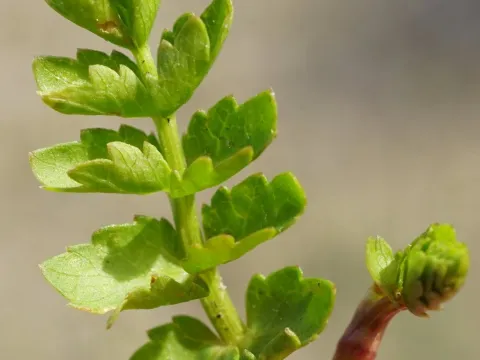
The plant features slender stems that creep along the ground and root at the nodes, allowing it to spread across wet surfaces. Its leaves are pinnate, and the flowers are arranged in small, white umbels typical of the carrot family. Its root system is relatively shallow, adapted specifically to moist substrates rather than deep, dry soils.
Historically, the creeping marshwort is found in wet meadows, the edges of ponds, and periodically flooded land across Europe. It thrives in soils that remain consistently damp or wet throughout the growing season. The plant prefers neutral to slightly alkaline, nutrient-rich soils that provide enough minerals for its development.
In terms of cultivation, Apium repens is not an agricultural crop but rather a species managed through environmental conservation practices. It requires open conditions with low competition from larger plant species. Light grazing or occasional mowing is often used in management plans to keep the habitat suitable and prevent colonization by aggressive scrub.
The ecological role of this plant is that of an indicator species for wetland health. Its presence suggests a stable hydrological regime and minimal chemical contamination in the surrounding area. Research focuses on maintaining its natural habitats rather than agricultural exploitation, given its status as a protected species in many jurisdictions.
The primary threat to the survival of creeping marshwort is the drainage of wetlands, which removes the critical water access required for its life cycle. Land reclamation projects and changes in local water table levels are the most frequent causes of population decline in its natural range.
Pests and pathogens are less of an issue compared to environmental changes, but fungal diseases associated with stagnant, overly polluted water can weaken plants. Competition from invasive hydrophytes and excessive nitrogen runoff from agriculture can also overwhelm the slow-growing populations, leading to localized extinctions.