
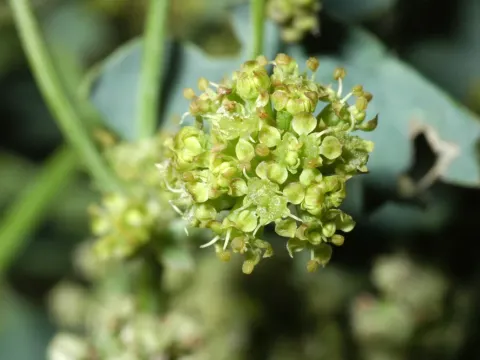
Asteriscium
Asteriscium
Asteriscium is a genus of flowering plants belonging to the Apiaceae family, native to the rugged terrains of the South American Andes mountains.
What the section contains

Asteriscium
Sowing should be performed in early spring when the soil temperature remains stable, allowing for a steady and uniform germination process.
The seeds are typically sown in rows with a spacing of 40–50 cm to ensure sufficient light and nutrient access for each individual plant.
A stratification period is highly recommended to break seed dormancy, effectively mimicking the natural cold mountain winters the plants are adapted to.
Seeds should be covered with a light layer of soil, approximately 1–2 cm deep, to protect them from wind erosion while allowing sunlight to aid germination.
The plant thrives in well-drained, sandy-loam soils that prevent water stagnation, which is critical for the health of its sensitive root system.
As a high-altitude plant, Asteriscium requires full sun exposure to flourish and develop the chemical compounds for which it is cultivated.
Water management is crucial; it requires regular but moderate moisture levels, avoiding both drought and excessive irrigation that leads to rotting.
Optimal growth temperatures generally range between 15°C and 22°C, making it suitable for cooler temperate climates or high-elevation agricultural zones.
Regular soil cultivation or hoeing between the rows is recommended to promote soil aeration and keep weed competition to a minimum during growth.
The yield of Asteriscium is primarily evaluated based on the biomass collected, which serves various pharmaceutical or essential oil production purposes.
Depending on the cultivation intensity, yields can vary significantly, often reaching high-quality standards in specialized high-altitude nurseries.
The peak harvest period is usually during the early flowering phase, as this is when the secondary metabolites reach their maximum concentration in the plant.
Sustainable soil fertility management, specifically the application of potassium-based fertilizers, has been shown to improve overall harvest weight.
Total yields per hectare are optimized through meticulous spacing and consistent pest management practices starting from the early seedling stage.
Root rot caused by fungal pathogens is the most significant threat, typically appearing after heavy rainfall if soil drainage is insufficient.
Aphids and spider mites are common pests that may infest the foliage, potentially stunting growth and reducing the value of the raw material.
Powdery mildew can become an issue if plant spacing is too dense, as this restricts airflow and increases the local humidity around the leaves.
Effective pest control relies on monitoring the field for early signs of infestation and applying targeted treatments to preserve the plant's health.
Crop rotation is essential for long-term soil health and to prevent the buildup of soil-borne diseases common to members of the Apiaceae family.
Harvesting is best conducted in the early morning to ensure the plant tissue contains the highest levels of volatile compounds before evaporation occurs.
The plants are typically cut above the ground level, ensuring the root systems remain protected for potential re-growth or to preserve soil integrity.
Post-harvest handling requires immediate transfer to shaded, well-ventilated areas to begin the drying process and avoid unnecessary quality degradation.
Drying must be carefully regulated at temperatures below 40°C to ensure the preservation of delicate essential oils and active chemical components.
Final storage involves placing the dried biomass in breathable containers to protect it from moisture and contaminants until final processing occurs.