
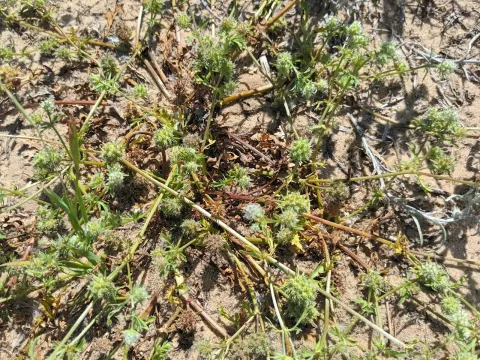
Eryngium dorae
Eryngium dorae
Eryngium dorae is a perennial herbaceous plant belonging to the Apiaceae family. Sowing is typically carried out in late autumn to allow for natural seed stratification, which ensures uniform germination once spring temperatures arrive.
What the section contains
Eryngium dorae
When sowing in the spring, seeds require a period of cold treatment to break dormancy. They should be sown at a shallow depth of 1–2 centimeters in loose, well-draining soil to ensure successful seedling establishment.
If starting seeds indoors, use deep cell trays or pots to accommodate the plant's developing taproot. Maintain temperatures around +16...+18 degrees Celsius during the initial germination phase in March.
Seedlings should be acclimated to outdoor conditions gradually before transplanting. Ensuring the risk of frost has completely passed is crucial for the survival of young Eryngium dorae plants in the field.
Space the plants approximately 40–50 centimeters apart to promote good air circulation. Proper spacing is essential to reduce the risk of foliage diseases during the rapid growth phase of the second year.
Eryngium dorae thrives in full sun exposure, which is necessary to develop the intense, characteristic colors of its inflorescences. Shaded locations will result in weak stems and reduced ornamental value.
The species prefers well-drained, sandy, or rocky soils with a neutral to slightly alkaline pH. It is highly intolerant of waterlogged soil, which can rapidly lead to root rot and plant mortality.
Once established, the crop is exceptionally drought-tolerant and requires minimal supplemental irrigation. Over-fertilization, particularly with nitrogen, should be avoided as it encourages soft growth and susceptibility to lodging.
The climate requirements include a preference for dry summers and moderate winters. If grown in areas with high rainfall, careful selection of elevated or sloped planting sites is necessary to facilitate water drainage.
General maintenance involves keeping the area free of weeds and performing occasional soil loosening. The plant's hardy nature makes it a low-input crop suitable for sustainable agricultural systems.
The economic yield of Eryngium dorae is primarily centered on its use as a high-quality fresh or dried cut flower. Its unique morphology makes it a sought-after item in the professional floral industry.
Full production potential is reached from the second year onwards. A well-managed plantation can remain productive for several years, providing a consistent supply of stems for the market throughout the harvest season.
Harvesting should occur when the inflorescences have reached maximum rigidity and color development. Proper post-harvest handling, including drying in dark and ventilated conditions, preserves the quality of the product.
The crop's secondary utility includes its role as a pollinator-friendly plant. In integrated farming, it can support local bee populations, enhancing overall farm biodiversity and ecosystem services.
Seed harvesting requires attention to timing to prevent dispersal. The seed heads are gathered once they turn brown, and processing should be done carefully to protect the handler from the plant's spines.
The main threat to Eryngium dorae is fungal root pathogens triggered by excessive moisture. Proper soil drainage is the most effective preventative measure against these devastating soil-borne diseases.
Aphids and spider mites may occasionally infest the plants, particularly during hot, dry spells. Integrated pest management strategies should be employed to control these insects without disrupting beneficial fauna.
Powdery mildew can occur in areas with poor airflow and high humidity. Regular inspection of the foliage and timely removal of crowded plants can help maintain a healthy crop canopy throughout the season.
Wireworms can pose a risk to the roots in newly reclaimed land. Pre-planting soil analysis and potential mechanical controls are recommended to minimize losses in younger stands.
Crop rotation and field sanitation are essential practices. Removing dead plant matter at the end of the season prevents the overwintering of pests and pathogens, ensuring a cleaner start for the next crop cycle.