
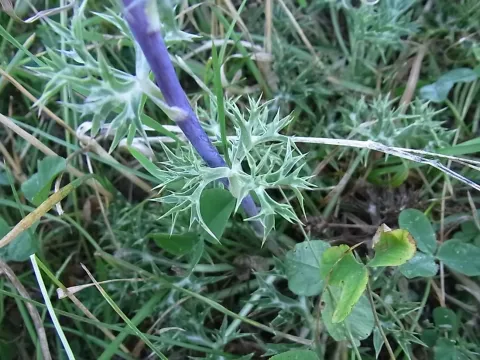
Eryngium chevalieri
Eryngium chevalieri
Sowing of Eryngium chevalieri is best performed in early spring when the soil temperature consistently reaches 10-12 degrees Celsius. This timing ensures proper germination and establishment before the peak of summer heat.
What the section contains
Eryngium chevalieri
The seeds should be planted in light, well-drained soil at a depth of 1-2 centimeters. Covering them lightly with soil or sand helps to maintain the necessary moisture while allowing for sufficient aeration.
For better control over plant density and germination rates, a nursery or tray sowing method is highly recommended. The seedlings can then be transplanted into the field once they develop a strong root system.
Proper spacing between rows is essential to facilitate mechanical weeding and ensure that plants have enough space to grow without competing for nutrients and water resources.
Initial watering should be consistent, but care must be taken to prevent waterlogging, as the germinating seeds are susceptible to decay if kept in overly saturated conditions.
Eryngium chevalieri is a member of the Apiaceae family that thrives in sunny, open locations. High light intensity is critical for the development of its unique metallic-blue pigments in the flowers and stems.
The crop is highly adapted to sandy or rocky soils with excellent drainage. It does not tolerate heavy clay soils that retain moisture, as these conditions are detrimental to the health of the taproot system.
The optimal pH range for this species is neutral to slightly alkaline. Growers should perform soil tests to ensure the mineral balance is suitable, specifically avoiding acidic conditions that can stunt growth.
Once established, the plant exhibits remarkable drought tolerance, making it an ideal candidate for low-input agricultural systems in arid or semi-arid regions.
Fertilizer application should be conservative. Excessive nitrogen intake leads to excessive vegetative growth, which can cause the plants to lodge and reduces the aesthetic appeal of the flowering stalks.
Yield production for Eryngium chevalieri is focused on the quantity and quality of flowering stems. Harvestable yields typically increase during the second and third years of plant development as the crown matures.
Commercial production can yield high volumes of dried flowers, provided the planting site is managed effectively with appropriate weed control and nutrient maintenance.
The total yield is measured by the number of uniform, healthy inflorescences per square meter. Selective harvesting of high-quality stems is key to maintaining market value in the floriculture industry.
As a nectar-rich plant, the crop also provides secondary benefits by supporting local pollinator populations, which can improve the overall ecological health of the agricultural site.
Maintaining a stable plant population through regular scouting and replenishment ensures consistent annual yields throughout the productive life cycle of the crop.
Root rot is the most significant threat to the health of Eryngium chevalieri. It is typically triggered by poor drainage or excessive irrigation during the cooler months of the year.
Common pests such as aphids and spider mites can attack the foliage, especially during periods of water stress. These pests extract plant sap and can cause deformity in the developing inflorescences.
Effective management involves early detection through regular crop monitoring. Integrated Pest Management (IPM) practices, including the use of beneficial insects, can help keep pest populations at manageable levels.
Fungal diseases like powdery mildew may occur if planting density is too high, preventing adequate airflow between individual plants. Thinning and pruning can significantly reduce this risk.
Strict hygiene protocols, including the removal and destruction of infected plant debris, are essential to prevent the carry-over of pathogens into the following growing season.
Harvesting is typically carried out during the peak of the blooming phase. The stems are cut at the base, ensuring that the flowers have reached their full color intensity but have not yet begun to senesce.
For dried flower production, the stems should be hung upside down in a cool, dark, and well-ventilated room. This process prevents the stems from bending and preserves the vibrant blue colors of the inflorescences.
If harvesting for pharmacological purposes, the root system is extracted after the end of the vegetative season. Roots are cleaned of all soil particles and dried at controlled temperatures to retain active compounds.
Careful handling after harvest is crucial to prevent damage to the delicate floral structures, which could reduce the market price and shelf life of the dried product.
After the drying process is complete, the materials are graded for quality, size, and stem length before being packaged for distribution to wholesalers and end-users.