
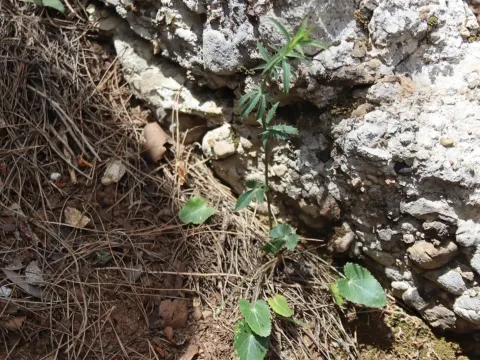
Eryngium falcatum
Eryngium falcatum
Eryngium falcatum is a perennial herbaceous plant belonging to the Apiaceae (parsley) family, recognized for its specific physiological requirements.
What the section contains
Eryngium falcatum
Seed germination is most successful when seeds undergo a period of winter stratification, mimicking natural environmental cooling.
If sowing in the spring, it is essential to chill the seeds in a refrigerator for at least eight weeks to ensure high germination rates.
Seeds should be placed in well-drained, porous soil at a depth of about 1 centimeter to allow for adequate exposure to light and oxygen.
Spacing requirements are crucial; rows should be set at a distance of at least 50 centimeters to prevent overcrowding as plants mature.
The plant thrives in full sun exposure, which is necessary to maintain its structural integrity and encourage robust development of its foliage.
Soil composition must be sandy or stony, providing excellent drainage to prevent the root system from developing rot or fungal issues.
Eryngium falcatum is highly adapted to arid conditions and can tolerate extended droughts better than most conventional crops.
It prefers neutral to slightly alkaline soil pH levels and generally struggles in highly acidic or waterlogged environments.
Watering should be deep but infrequent, allowing the substrate to dry out significantly between irrigation events to mimic its native habitat.
Root rot caused by Phytophthora or Pythium species is the most common threat when the soil remains too wet for prolonged periods.
Powdery mildew may occur if planting density is too high, preventing sufficient airflow between individual plants during humid summers.
Pests like aphids and spider mites can colonize the plant during hot, dry spells, though they rarely cause fatal damage to established crops.
Implementing a proper crop rotation plan is advisable to break the life cycles of soil-borne pathogens that might affect the Apiaceae family.
Regular monitoring of leaves and stem bases is essential to catch early signs of pest infestation or disease before they spread throughout the field.
Harvesting strategies vary based on whether the primary output is dried floral material or medicinal extracts from roots and leaves.
For ornamental purposes, stalks are harvested just as the blooms reach peak color, ensuring the harvest is done in the cool morning hours.
Medicinal roots are typically harvested after the first frost, as this is when the plant's metabolic activity focuses on root storage.
Drying must occur in a temperature-controlled environment away from direct light to maintain the potency of essential oils and bioactive compounds.
Proper packaging, usually in breathable natural fiber sacks, is required for long-term storage to keep the product free from moisture and contamination.