
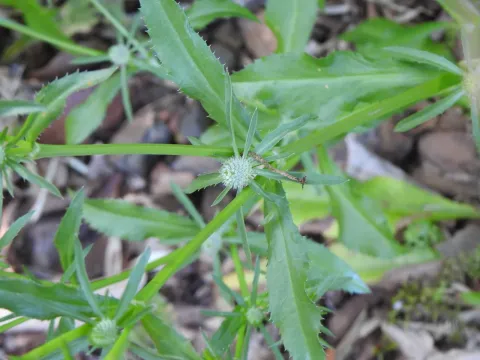
Eryngium ekmanii
Eryngium ekmanii
Sowing Eryngium ekmanii is most effective in autumn, as the seeds benefit significantly from natural stratification during the winter months.
What the section contains
Eryngium ekmanii
For spring sowing, seeds must be artificially stratified in a refrigerator at temperatures between +2°C and +4°C for at least four to six weeks before planting.
Seeds should be sown in loose, well-draining soil at a shallow depth of approximately 1 to 2 centimeters to ensure proper germination conditions.
Seedlings develop slowly, so maintaining moderate soil moisture without creating waterlogged conditions is critical during the initial growth stage.
Maintaining adequate space between rows and individual plants is essential to prevent overcrowding, which can hinder the plant's development and airflow.
Eryngium ekmanii, a member of the Apiaceae family, is a perennial plant known for its structural beauty and remarkable drought tolerance.
The crop thrives in full sun and requires well-drained, sandy or loamy soils to prevent root rot, as the plant is highly sensitive to excess moisture.
It prefers neutral to slightly alkaline soil pH and does not require heavy fertilization, as nutrient-rich soil often leads to excess foliage rather than flowers.
Being a heat-loving plant, it performs best in open, sunny fields where it receives maximum sunlight, which is necessary for its characteristic color intensity.
Once established, the plant develops a deep taproot system, making it highly resilient during dry spells and reducing the need for constant irrigation.
The commercial value of Eryngium ekmanii is driven by its high demand in the floriculture industry, particularly for high-quality dried flower arrangements.
Successful yield depends on proper site selection and density management to ensure that every plant develops fully formed, vibrant inflorescences.
Harvesting should be timed when the flowers are at their peak, ensuring optimal color saturation and structural integrity for the dried product market.
With consistent agronomic practices, plantations can maintain high productivity over several seasons, offering a sustainable return on investment.
Seed production also contributes to yield, providing a valuable resource for further propagation and sales to nurseries and other agricultural enterprises.
The primary threats to this crop include fungal infections caused by high humidity, poor soil drainage, or stagnant air around the plants.
- Root rot, which frequently occurs in damp soils or during prolonged rainy weather.
- Powdery mildew, appearing as white dust on foliage when air circulation is poor.
- Rust, a common fungal issue that affects the aerial parts of the plant under high humidity.
Pests such as aphids and spider mites can infest the crop, particularly during hot and dry weather, requiring regular scouting and timely treatment.
Slugs and snails are a threat to young seedlings and emerging growth, necessitating preventative measures to protect the integrity of the young crop.
Harvesting the flower stems should be conducted during dry weather, ideally in the early morning once any dew has evaporated from the plants.
Stems are gathered into small bunches and hung upside down in a dark, well-ventilated space to ensure they dry evenly while maintaining their color.
Rapid drying is key to preventing the onset of mold or rot on the delicate inflorescences, ensuring a long shelf life for the dried material.
Seeds should be harvested once the heads have darkened and begun to dry naturally on the stem, using careful techniques to minimize seed scattering.
Properly dried and processed materials should be stored in a cool, dry environment to protect them from environmental damage until they reach the consumer.