
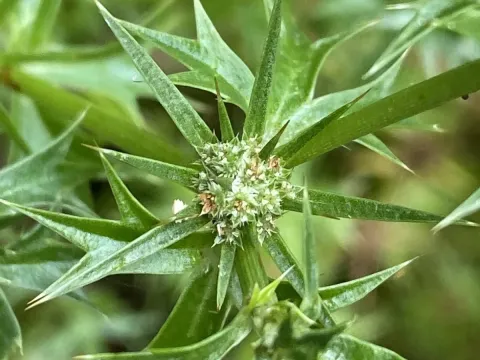
Eryngium expansum
Eryngium expansum
Seeds of Eryngium expansum are best sown in the autumn, allowing them to undergo a natural cold stratification process throughout the winter months.
What the section contains
Eryngium expansum
If spring sowing is preferred, it is essential to provide artificial stratification by keeping the seeds at low temperatures for several weeks before planting.
The planting pattern should include wide spacing, typically 50-60 centimeters between rows, to accommodate the mature size of the plant.
Sowing depth must be minimal, as the seeds need a small amount of light to trigger germination; covering them with a thin layer of sand is sufficient.
Early spring is the ideal window for sowing once the danger of severe frost has passed and the soil begins to warm up.
Eryngium expansum belongs to the Apiaceae family and thrives in conditions that mimic its native xerophytic habitat, emphasizing excellent drainage.
The soil must be sandy or gravelly, with low organic matter content, as the plant is adapted to nutrient-poor and arid environments.
Full sun exposure is a mandatory requirement, as the plant requires maximum solar energy to produce its characteristic foliage and flowers.
The cultural site must have an alkaline to neutral soil reaction, as acidic environments often lead to stunted growth and poor development.
Water requirements are relatively low; once established, the plant shows significant resistance to drought and does not need frequent irrigation.
Root rot is the most common physiological disorder, primarily caused by waterlogged soil conditions or heavy, clay-based substrates.
Aphids can cause damage to the floral spikes, sucking sap and potentially spreading viral infections throughout the field or garden plot.
Powdery mildew may manifest as a white film on the leaves, especially when humidity remains high and air circulation is insufficient between plants.
Gastropods such as slugs can severely damage young leaves in the early spring, necessitating preventive measures like debris removal from fields.
Maintaining a balanced irrigation schedule is the most effective preventative strategy against the primary fungal threats affecting this species.