
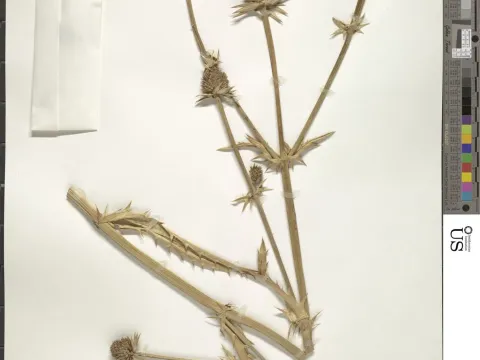
Eryngium bromeliifolium
Eryngium bromeliifolium
Eryngium bromeliifolium is a distinct perennial plant belonging to the Apiaceae family. Propagation is primarily achieved through seeds, which often require a period of cold stratification to break dormancy and ensure uniform germination.
What the section contains
Eryngium bromeliifolium
Seeds should be sown in late winter or early spring in a well-draining seed-starting mix. Maintaining a consistent temperature of around 18–20 degrees Celsius is essential for successful seedling emergence.
The seeds are small and should be sown shallowly, lightly covered with vermiculite or fine soil to allow sufficient light penetration during the initial phase of development.
Once seedlings have developed their first true leaves, they can be hardened off and transplanted to their permanent location after the danger of frost has passed.
Spacing is critical for this species; plants should be spaced at least 45 cm apart to accommodate the large, rigid, sword-like leaf rosettes that define its unique aesthetic.
Native to the high altitudes of Mexico, this species thrives in full sun exposure. It is highly adapted to bright, open environments where it can develop its characteristic sturdy foliage.
Soil requirements are relatively specific: it demands excellent drainage. While it can tolerate various soil types, sandy or gritty loams are preferred to prevent root rot.
The plant is drought-tolerant once established; however, it benefits from moderate watering during the initial establishment phase, especially in the first growing season.
It prefers a neutral to slightly alkaline soil pH. In areas with high rainfall, creating a raised bed or adding significant amounts of coarse material to the soil is vital for survival.
Temperature tolerance is moderate; while it can withstand some cold, it requires protection from excessive winter moisture, which is the primary cause of plant failure in non-native climates.
The most common issues for this plant are fungal pathogens such as crown rot and root rot, typically brought on by waterlogged soil conditions or poor airflow in humid environments.
Preventative measures include avoiding overhead watering and ensuring that the foliage stays dry, which helps reduce the risk of leaf spot and powdery mildew outbreaks.
Pest pressure from aphids and spider mites can occur during prolonged periods of hot and dry weather, necessitating periodic inspections of the leaf rosettes.
In cases of severe infestation, using appropriate systemic insecticides or horticultural oils can effectively manage the pest population without damaging the foliage structure.
Regular sanitation of the planting site, including the removal of dead or decaying leaves, is essential to maintain plant health and prevent the overwintering of pathogens and insects.