
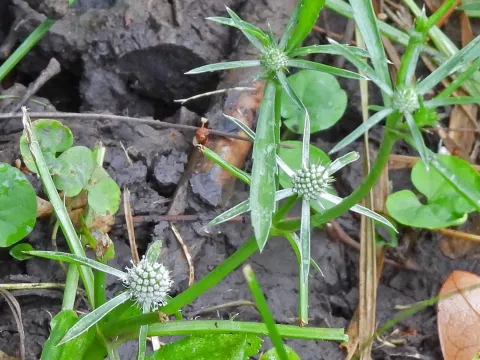
Eryngium echinatum
Eryngium echinatum
Sowing seeds of Eryngium echinatum is best performed in late autumn, as the seeds require natural stratification to break dormancy. For spring sowing, seeds must undergo a cold pretreatment phase in a damp medium at temperatures between +2 and +5 degrees Celsius for at least two months.
What the section contains
Eryngium echinatum
Seeds should be planted at a shallow depth of no more than 1 cm, as they are relatively small and require consistent light to germinate successfully. The optimal spacing between rows should be maintained at 40–50 cm to ensure the plants have enough room for their basal rosette development.
Preparing the soil before sowing is critical; it must be loosened deeply and cleared of all competitive weeds. Because the seedlings grow very slowly during the initial stages of development, keeping the nursery area weed-free is essential to prevent them from being outcompeted.
When starting in trays, sow seeds in early March, using a well-draining soil mix. Pricking out should be done at the two-leaf stage, taking extreme care to avoid damaging the delicate taproot, which is notorious for being sensitive to transplantation stress.
Seedlings should be moved to their permanent location only after the risk of late frosts has passed. Gradual hardening-off is necessary to ensure the young plants survive the transition to outdoor field conditions without significant growth setbacks.
Eryngium echinatum, a member of the Apiaceae family, is a highly sun-loving crop. It requires full exposure to direct sunlight throughout the growing season to maintain its vibrant color and sturdy, compact architecture.
This species is exceptionally drought-tolerant, evolved to thrive in arid climates. It develops a deep, robust taproot system that can access groundwater and moisture far below the soil surface, making it an ideal choice for low-input agriculture in dry regions.
Soil requirements focus primarily on drainage. The crop thrives in sandy, stony, or well-aerated substrates. It absolutely cannot tolerate heavy, waterlogged soils, which invariably lead to root rot and winter plant mortality.
Regarding soil fertility, Eryngium echinatum prefers lean soils. Over-fertilizing, especially with high levels of nitrogen, results in soft, succulent growth that is less aesthetically pleasing and significantly more prone to fungal infections and winter damage.
While the plant is hardy in temperate climates, it requires good winter drainage. In areas with high rainfall and frozen ground, the root collar must be protected from ice buildup, which can cause crown rot during the spring thaw.
The yield of Eryngium echinatum is evaluated based on the quality and quantity of floral spikes suitable for the floral industry or the concentration of active compounds for pharmaceutical use. Maximum production typically occurs during the second and third years of establishment.
For ornamental purposes, the yield is measured by the number of marketable stalks. Harvesting is timed to catch the moment the bracts reach their maximum metallic rigidity and peak color intensity, providing the best quality for dried arrangements.
For medicinal use, the harvest consists of the aerial parts of the plant. Collection must occur during full bloom, as this is the period when the concentration of essential oils and polyphenols within the plant tissue is at its absolute peak.
Sustainable yield can be maintained for 5 to 7 years on the same plot. After this period, the plants naturally lose vigor and productivity, necessitating the rotation of crops and the establishment of new planting sites to maintain consistent harvest quality.
Yield management requires careful monitoring of plant health. Proper spacing and airflow between individual plants help maximize the yield per square meter by reducing the overall incidence of foliage diseases that could otherwise ruin a harvest.
The primary threats to this crop are soil-borne pathogens triggered by excess moisture. Fusarium wilt is the most significant disease, which causes rapid systemic collapse and death of the plant, often becoming a chronic issue in fields with poor drainage.
Powdery mildew can affect the leaves during seasons characterized by high humidity or significant temperature swings. Proactive control involves ensuring proper aeration within the field and applying sulfur-based fungicides during the early growth stages.
Pests such as aphids and spider mites may infest young foliage during periods of drought. While they rarely kill mature plants, they significantly stunt development and reduce the quality of the ornamental harvest if left untreated.
Nematodes are another major concern, especially if the land has previously been used for other Apiaceae family crops like carrots or parsley. Soil solarization or specific crop rotation is necessary to keep nematode populations below economic damage thresholds.
Slugs and snails can severely damage young, succulent rosettes in the spring. Implementing barrier methods or using organic-certified slug pellets around the plant perimeter can prevent these pests from destroying seedlings before they establish their protective, spiny leaves.
Harvesting should strictly occur during sunny, dry afternoons after the morning dew has completely evaporated. Harvesting wet plant material leads to rapid microbial spoilage and the loss of essential oils, rendering the crop unsuitable for commercial use.
Stems must be cut with sharp, sterilized shears at the base of the rosette, ensuring that the central growing point remains intact. This encourages the plant to maintain its structural integrity for subsequent regrowth in future seasons.
For dried floral products, the harvested stems should be tied in loose bunches and hung upside down in a cool, dark, and well-ventilated space. Shading the drying flowers prevents UV light from bleaching the natural blue pigments, preserving their aesthetic value.
After the final harvest, the remaining foliage should be trimmed back to 5–10 cm above the ground. This cleanup prevents decaying organic matter from harboring pests and diseases over the winter and prepares the plant for a vigorous flush of spring growth.
Proper post-harvest processing involves moving the material immediately to clean, dry storage containers. Using breathable packaging materials prevents internal moisture accumulation and ensures the product maintains its market value throughout the winter distribution season.