
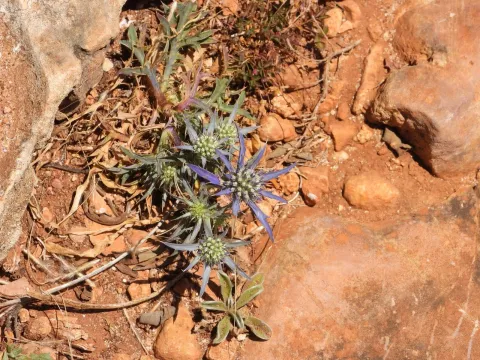
Eryngium dilatatum
Eryngium dilatatum
Sowing of Eryngium dilatatum is best performed in the autumn, allowing seeds to undergo natural stratification during the winter months for optimal germination.
What the section contains
Eryngium dilatatum
For spring sowing, seeds must be artificially stratified by keeping them in a refrigerator at temperatures between +2°C and +4°C for at least six weeks.
Seeds should be sown in sunny locations with well-draining soil, as this species requires full sunlight and will not thrive in shaded garden environments.
Cover the seeds lightly with soil or sand, as light exposure is often required for the successful activation of the embryo within the seed coat.
When thinning seedlings, ensure a spacing of 40–50 cm between individual plants to promote healthy airflow and prevent the development of fungal pathogens.
Eryngium dilatatum, belonging to the Apiaceae family, is a highly specialized plant that thrives in poor, rocky, or sandy soil conditions with excellent drainage.
The plant is exceptionally drought-tolerant and requires minimal irrigation once established, making it suitable for low-maintenance garden layouts.
Soil structure should be granular and aerated; heavy clay soils that retain water are unsuitable and can lead to immediate root system decline during winter.
Excessive fertilization, particularly with nitrogen, should be avoided as it reduces the intensity of the blue pigments in the bracts and weakens stem structure.
This species is highly photophilous and requires direct sun exposure throughout the day to achieve its characteristic steel-blue coloration in the bracts.
Root rot is the most significant threat to the culture, usually occurring in areas with poor drainage or during seasons with excessive, stagnant rainfall.
Pest damage is minimal due to the plant's tough, prickly foliage; however, aphids may occasionally target the developing floral structures during high heat.
Powdery mildew can occur in environments with high humidity and poor ventilation, often resulting from improper plant spacing or deep shade.
Leaf spots may appear if moisture levels remain high for extended periods, stressing the plant and reducing its overall aesthetic and agricultural value.
Effective management focuses on site selection and ensuring proper drainage rather than chemical intervention, as the species is sensitive to many common inputs.